

When most people hear “Poultry business,” what usually comes to mind is raising chickens for meat or eggs — and that’s it. But over the years, I’ve come to realize that poultry farming is much more than just raising birds. In fact, there are several ways you can make money in this industry — even without owning a single chicken.
Whether you’re already into poultry or just thinking of starting a poultry farming business, this post will open your eyes to the multiple income opportunities within the poultry farming value chain — from feed supply to egg sales, manure packaging, and even training others.
At Naijaonlinebiz, one of our core goals is to help you succeed, build a sustainable agribusiness venture, and make steady income from it — no matter your starting point.
That’s why in this guide, I’ll walk you through the most profitable ways to make money in poultry farming business in Nigeria — whether you’re a beginner, an existing farmer looking to expand, or someone who simply wants to tap into the poultry industry without running a farm yourself.
Why Talk About Ways to Make Money in Poultry Farming?
Before I dive deeper into the money-making opportunities in poultry farming, it’s important to clarify why this topic even matters.
The truth is, a lot of people jump into poultry farming just because they see others doing it — without truly understanding where the real profits lie. Some focus only on raising birds and still struggle to break even. Others don’t even realize that poultry farming isn’t just about raising chickens — it’s a full-blown business with multiple income streams if you know where to look.
So, I’ve designed this post such that it isn’t just for those who already run a poultry farm. It’s also for:
- Anyone looking to start a poultry farming business that actually pays
- Those who want to diversify their existing agribusiness
- People who want to tap into the poultry industry without managing birds themselves
In an economy as tough and unpredictable as Nigeria’s, knowing where the money is can make all the difference between running at a loss and building a profitable, sustainable poultry farming venture.
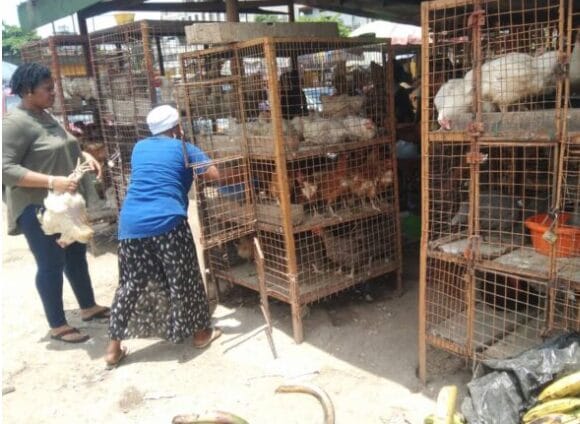
14+ Profitable Ways to Make Money in Poultry Business
Broiler Farming (Meat Production)
Broiler farming is arguably one of the fastest and most popular ways to make money in the poultry farming business in Nigeria. With the right setup and market, you can start making returns in just 5 to 8 weeks.
Here’s how it works:
- Raise broiler chickens specifically for meat production.
- Sell them as live birds or process and package them for higher-value markets.
- Target festive periods (like Christmas, Easter, and Salah), events, hotels, restaurants, supermarkets, and frozen food outlets — demand usually spikes during these times.
Broiler farming is also a business you can scale easily. You can start with just 100 birds and gradually grow to thousands as your market expands.
I usually recommend that you raise your broilers in batches — this is what I call cycle farming — to keep cash flow coming in regularly throughout the year. If done properly, you can run 4 to 5 production cycles annually.
If you’re just starting out, broiler farming offers a relatively quick return on investment compared to other poultry options — but your success will depend on quality feed, strong biosecurity measures, and smart marketing strategies.
I remember, I showed how to start a broiler poultry business in Nigeria – capital, setup, profits and mistakes to avoid. If you’re considering starting broiler poultry farming, that guide is a good place to start from.
Layer Farming (Egg Production)
If you’re looking for steady, daily income in poultry farming, then layer farming is the way to go. This involves raising layer birds primarily for egg production, and it’s one of the most sustainable income streams in the poultry business.
Here’s what makes it profitable:
- You earn from daily egg sales once the birds start laying (usually from 18–20 weeks of age).
- You can also sell spent layers (older birds that have stopped laying) for meat after their egg-laying cycle is over — so nothing goes to waste.
- Eggs are always in demand — from households to bakeries, restaurants, hotels, and supermarkets.
If you’re in an urban area or anywhere close to one, I strongly advise that you don’t just sell your eggs in regular crates — package and brand them. Clean, labeled egg trays can attract higher prices and bulk buyers who are willing to pay more for hygiene, uniformity, and consistency.
One important thing you should know is that layer farming requires patience and good management. But it’s ideal if you’re aiming for long-term income rather than quick turnover. Just like with broiler farming, your success here depends on proper housing, quality feed, regular vaccination, and good record keeping.
Hatchery Business (Day-old Chicks Production)
The hatchery business is another profitable yet specialized area in poultry farming. It involves hatching fertile eggs into day-old chicks (DOCs) and selling them to poultry farmers.
Here’s how it works:
- Set up an incubator system to hatch fertile eggs sourced from parent stock.
- Produce and sell day-old broilers, layers, or cockerels to poultry farmers, agro-dealers, and even retailers.
- There’s always high demand for healthy, well-vaccinated DOCs — especially at the start of each production cycle.
However, this business requires technical know-how — especially in managing incubation temperature, humidity, egg turning cycles, and post-hatch care. Also, since incubators need uninterrupted power supply, you’ll need a reliable electricity backup (solar, inverter, or generator) to maintain consistent hatch rates.
If you want to make it big in this business, I strongly recommend that you build a strong reputation for hatching healthy, active chicks — that’s what keeps customers coming back. Many farmers are willing to pay more for quality chicks with low mortality rates.
If you’re not ready to manage a full poultry farm, hatchery business is a smart way to enter the poultry industry from a supply angle — but be prepared to invest in equipment, training, and proper handling techniques.
Selling Poultry Feeds
Selling poultry feed is one of the most consistent ways to make money in the poultry value chain — because every poultry farmer, big or small, needs feed to keep their birds alive and growing.
Here’s how to go about it:
- Sell different feed types like starter, grower, finisher, layer mash, and sometimes medicated feeds.
- You can either open a physical feed store or run a mobile feed supply service — supplying directly to farms, especially in rural or hard-to-reach areas.
- Start as a distributor or sales agent for well-known feed brands or partner with local feed millers.
- If you already run a feed mill or have the capital and technical know-how, you can even produce and brand your own poultry feed— which gives you better profit margins.
I’ll suggest you offer bulk discounts or loyalty rewards to regular farm clients — that’s a trick most established feed sellers use to retain their big-time customers. Also, consider supplying feed on credit to trusted customers — it can help you build long-term relationships and keep your income flowing steadily.
And let me tell you: feed selling may not be glamorous, but it’s a reliable, year-round source of income — especially if you build a strong and loyal customer base.
Poultry Feed Mill Business
Running a poultry feed mill is a high-demand, profit-driven venture in the poultry industry — especially now that feed makes up over 60%–70% of the total cost in poultry farming.
Here’s what poultry feed milling involves:
- Crushing, mixing, and bagging poultry feeds (starter, grower, finisher, layer mash) for sale to farmers.
- You can also customize feed formulas based on specific bird needs — like fast-growth broilers, high-laying layers, or organic-fed chickens.
- There’s huge demand from small-scale farmers, commercial poultry farms, and agro-supply shops across Nigeria.
The beauty of running a feed mill is that you’re not just supplying one farm — you’re potentially feeding hundreds of poultry farms. Once you establish yourself and build a reputation for quality, farmers will stick with your brand.
To penetrate the market quickly, I recommend that you offer your feed in various bag sizes (like 25kg and 50kg) to suit the budget and scale of both small and large farmers. Also, don’t forget to brand your feed bags — it helps build trust and makes your product recognizable.
In order to help you get started, I’ve written a detailed guide on how to start a feed mill business in Nigeria — it includes equipment list, cost breakdown, and success tips.
Selling Poultry Manure
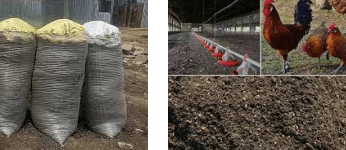
Everything about poultry birds — even their droppings — can make money for you.
Gone are the days when poultry waste was seen as something useless to discard. Today, poultry droppings have become a hot commodity, especially among crop farmers who understand their nutrient value.
Here’s why poultry manure is in high demand:
- It’s rich in key nutrients like nitrogen, phosphorus, and potassium — ideal for boosting soil fertility.
- Highly sought after by vegetable, maize, cassava, and organic crop farmers.
- It can be sun-dried and bagged, making it easy to store, transport, and sell.
If you run a poultry farm or manage bird housing, this is an easy way to create steady side income. Some poultry farmers even sign bulk supply deals with local crop farmers or agro-dealers who distribute to farming communities.
This is one of those low-cost, high-margin side businesses many people overlook. To make your manure more market-ready, package it in 25kg or 50kg bags. And if you want to offer a cleaner product, consider mixing it with sawdust or ash to minimize odor and extend shelf life.
Now you see — even poultry poop can fatten your wallet. Don’t leave money lying in the poultry pen.
Processing & Packaging of Chicken

Yes! I must confess — I’ve seen a growing number of chicken processing and packaging shops lately. That alone tells you that people are already making steady income from this business.
So, what’s it about?
- You can start a small poultry processing setup right from your home or a rented space.
- The job involves cleaning, dressing, packaging, and labeling chickens— especially broilers.
- There’s growing demand from cold rooms, supermarkets, restaurants, and individual buyers who prefer ready-to-cook chicken.
One of the biggest advantages is that you can sell at a premium price since many customers are willing to pay extra for well-packaged, neatly processed chicken that’s easy to store and cook.
If you’re already raising birds — or can partner with farmers — this is a natural way to add more value and earn more per bird. Plus, branding your packaging can help build customer loyalty and attract bulk orders from food vendors or caterers.
This business may look small on the surface, but trust me — with the right hygiene, presentation, and customer base, it can become a serious cash cow.
Breeding Parent Stock
Let me be honest with you — this particular poultry farming business is not for everyone.
Breeding parent stock is a specialized, capital-intensive venture that requires deep knowledge of poultry genetics, biosecurity, and flock management. But if you get it right, the rewards are massive.
Here’s what it involves:
- You raise mature breeder birds(either broiler or layer lines) that are capable of producing fertile eggs.
- Those fertile eggs are then sold to hatcheries or used to produce day-old chicks (DOCs) for commercial poultry farmers.
This part of the industry is critical to the poultry value chain, yet relatively few players dominate it — which means low competition but high barriers to entry.
You’ll need proper infrastructure, strict hygiene protocols, and a well-structured feeding and lighting program to ensure high fertility and hatchability rates.
However, once your operation is set up and you build a reputation for producing healthy, high-performing chicks, you can supply hatcheries or large farms on contract basis — bringing in consistent revenue.
In summary, this business is not easy, but very lucrative if you can meet the standards.
Selling Poultry Equipment & Supplies
If you’re looking for a business that supports the poultry industry without raising a single bird, this is it.
Selling poultry equipment and supplies can be capital-intensive — especially if you plan to stock items like battery cages, incubators, or large brooders. But here’s the good news: you can start small.
Begin with low-cost but essential items such as:
- Feeders
- Drinkers
- Chick trays
- Crates
- Brooding lamps
- Protective gear
There’s a steady demand for these items, especially from new and small-scale poultry farmers who are setting up and need affordable tools.
If you want to make it big in this business, my advice is to combine it with a feed supply or poultry consultancy service. This way, when farmers come to you for advice or to buy feed, you can also offer them the tools and equipment they need — making you their trusted, one-stop supplier. It’s a smart strategy that works like magic!
To grow even faster, partner with local manufacturers or importers, or better still, launch an online store to reach customers across Nigeria and beyond.
In short, this is a solid, complementary business that supports farmers — and keeps the money flowing your way.
Poultry Farm Consultancy & Training
This is a highly rewarding niche — but it’s not for beginners.
To become a poultry farm consultant, you must have years of hands-on experience and a solid understanding of every aspect of poultry farming. It’s not something you just wake up one morning and decide to do. You need to have walked the walk — from managing poultry houses, feeding regimes, and biosecurity, to handling diseases, record keeping, and scaling operations.
Personally, even with all the training and practical exposure I’ve had, I still don’t rush to call myself an expert consultant. That’s how serious this role is.
But if you know you’ve gathered enough knowledge, experience, and results, then this is one of the most respected and profitable services you can offer in the poultry industry.
As a poultry consultant or trainer, you can:
- Offer setup advice for new poultry farms — from housing design to stock selection.
- Train beginners and farm workers on good poultry practices.
- Provide solutions to struggling farms on disease outbreaks, productivity issues, or feed efficiency.
- Teach record keeping, business strategy, and risk management.
- Host paid training sessions, bootcamps, or webinars.
- Sell online courses or ebooks to reach a wider audience.
Consultancy and training go hand in hand. And with the rising number of people venturing into poultry farming in Nigeria, your services will always be in demand — as long as you deliver real value.
This is more than a business — it’s about impact, mentorship, and helping others build profitable poultry enterprises.
Poultry Blogging or Vlogging
You might be wondering, “Is this really part of the poultry business?” Yes— and in fact, it’s one of the most underrated ways to make money from poultry farming in Nigeria.
Poultry blogging or vlogging is all about sharing your knowledge, experiences, and insights with others online. And if done right, it can actually earn you more money than raising chickens or selling eggs — no exaggeration.
If you’ve got a smartphone, an internet connection, and some valuable content to share, you can start a poultry blog, YouTube channel, WhatsApp TV or even a Facebook/Instagram page

You can document your journey, share tips on feed formulation, how to manage diseases, best practices in brooding, or even show behind-the-scenes clips of your daily poultry operations. People love practical, relatable content — especially from real farmers.
Once your platform gains attention, here’s how the money starts rolling in:
- Monetize with ads (Google AdSense, YouTube Partner Program, etc.)
- Promote affiliate products like poultry equipment or training courses
- Sell your own products or ebooks
- Offer paid training or consultations
- Collaborate with agriculture brands as an influencer
I’ve seen poultry bloggers in Nigeria who now make more money online than they do on the farm, simply because they built an audience around their passion. Plus, it’s a great way to establish yourself as an authority in the industry.
So, if you love to teach, create, or engage people — poultry blogging or vlogging could be your golden opportunity.
12. Poultry Transport & Logistics
Now, here’s a poultry business opportunity that most people often overlook — but one that’s absolutely essential to the poultry industry.
Poultry transport and logistics involve helping farmers and suppliers move their birds, feed, and other poultry products from point A to point B — safely, quickly, and efficiently. Trust me, without transport, the entire poultry value chain can break down.
You don’t even have to own a poultry farm to make money here. If you’ve got a reliable vehicle (or can lease one), you can start by:
- Offering delivery of day-old chicks to farms
- Supplying feed and vaccines to poultry farmers
- Helping farmers transport live birds to market or buyers
- Working with hatcheries and agro-vets in peri-urban or rural areas
There’s consistent demand for this service, especially in places where public transportation isn’t reliable or ideal for moving birds. Many small-scale farmers struggle to get their products to market or access supplies on time — that’s where you come in.
And if you have the capital and want to go big, you can scale into cold-chain logistics — transporting frozen poultry meat, eggs, or vaccines using refrigerated vans. That’s where the big players are headed.
Whether you’re using motorcycles, Keke, vans, or trucks — poultry logistics is a backbone service that holds real profit potential, especially if you form long-term partnerships with farms, hatcheries, and feed mills
Selling Eggs in Wholesale or Retail
When you think about poultry products, what’s the first thing that comes to mind? Eggs. That’s because eggs are in high demand every single day — in homes, hotels, bakeries, restaurants, and even roadside food joints.
Selling eggs — either wholesale or retail — is one of the most accessible and profitable arms of the poultry value chain. Whether you’re in Lagos, Abuja, Jos, Port Harcourt, Kano, or Enugu, people are cashing out in this space. And guess what? You don’t need to rear chickens yourself to tap into the market.
Here’s how it works:
- You buy crates of eggs directly from poultry farms at a cheaper price
- Then, you resell to retailers (like provision stores, market women, and food vendors) or directly to consumers
- You can even supply to hotels, schools, and bakeries on a weekly basis
You can start small — maybe with 10 to 20 crates — and gradually expand as your customer base grows. The margins may be slim per crate, but with volume, you can build solid, steady income.
But, let me warn you. You have to be careful; this is a delicate business. Eggs break easily, and one accident (like a fall or rough transport) can wipe out your entire profit for the day. So, invest in proper handling, reliable transport, and good egg crates or packaging.
To succeed in this business:
- Build strong relationships with reliable poultry farms for a steady supply
- Offer consistent delivery to your customers
- Consider combining it with egg retailing at a physical location or online
At the end of the day, egg selling is one of the easiest ways to start earning from the poultry industry without running a farm. It’s a smart hustle that can grow into a full-scale distribution business if you stay consistent.
Poultry Waste Recycling (Advanced)
This is one of the most overlooked but highly profitable arms of the poultry farming business — and yes, it’s not for beginners. Poultry waste recycling is an advanced business line that requires technical know-how, equipment, and in many cases, a scientific background.
But if done right, it can generate income while solving environmental problems.
Think about it: Every poultry farm produces tons of waste — feathers, droppings, blood, offal, and dead birds. Instead of letting all that waste rot and contaminate the environment, smart agripreneurs are turning it into gold.
Here are just a few ways to recycle poultry waste:
- Feathers & blood: Can be processed into high-protein ingredients used in producing animal feed or pet food (known as feather meal and blood meal).
- Poultry droppings (manure): Rich in nitrogen, it can be converted into organic fertilizer or compost for farmers and gardeners.
- Biogas production: With the right digester system, poultry waste can be turned into biogas for cooking or electricity—a sustainable energy source for homes or farms.
- Dead birds and offal: Can be processed in rendering plants or converted into fish feed and other byproducts.
To start this business, you need access to consistent poultry waste (which means partnering with farms), technical training or skilled personnel and depending on your focus, you may require equipment for composting, rendering, or biogas production.
I’ll advise that if you already own a large poultry farm, you can add waste recycling to your operation to reduce environmental impact and create an extra revenue stream.
My Suggestion on Combining Multiple Streams
Let me be real with you — you don’t have to do everything at once. Trying to jump into every poultry business idea at the same time can overwhelm you and stretch your resources too thin. Instead, I advise you start with one solid, profitable area — for example, raising broilers or layers — and then grow from there.
Once your first stream starts bringing in steady income, reinvest part of your profit to open another stream. For instance:
- If you’re into broiler farming, consider selling your bird manure to crop farmers.
- If you already own a hatchery, you can open a small feed store and sell to your customers.
- Or if you’re raising layers, you can start packaging your eggs and supplying to supermarkets.
That’s how most successful poultry entrepreneurs in Nigeria grow — one stream at a time, with a clear strategy.
Over time, you’ll discover that combining two or three complementary poultry businesses (like consultancy + feed supply + equipment sales) can make you a one-stop solution provider — and that’s where the real money is.
So, take it one step at a time, learn in the field continuously, reinvest smartly, and before you know it, you’ll be running a poultry empire.
Conclusion
The poultry industry in Nigeria is more than just raising birds — it’s a vast ecosystem with multiple streams of income. Whether you’re directly involved in rearing or you’re supplying products and services to support the industry, there’s room for everyone to profit.
The key is to choose a path that aligns with your capital, skills, and long-term goals. Don’t feel pressured to start big. Begin small, learn the ropes, and gradually expand as you grow in experience and confidence.
With the right mindset and strategy, poultry farming can become your gateway to sustainable income and long-term wealth in Nigeria.
FAQs about Ways to Make Money in Poultry Business
- How much can I make monthly from poultry farming in Nigeria?
It depends on your business model and scale. For example, a small broiler farmer raising 300–500 birds per cycle can make between ₦150,000 to ₦300,000 profit after expenses. If you venture into egg distribution, feed sales, or value-added services like training or consultancy, your income could scale much higher.
- Is poultry farming still profitable in Nigeria in 2025?
Yes — despite rising costs, poultry farming remains one of the most profitable agribusiness ventures in Nigeria. Profitability depends on smart management, cost control, and choosing the right poultry niche. If you like you compare and see for yourself which Poultry Farming Is Most Profitable in Nigeria.
- Can I make money from poultry without owning a farm?
Absolutely. You can earn from poultry by:
- Selling poultry feed, eggs, or equipment
- Training or consulting new farmers
- Blogging or vlogging about poultry farming
- Handling poultry logistics or distribution
There are many support services in the poultry value chain you can tap into — even without rearing birds.
- What is the cheapest poultry business to start in Nigeria?
Selling eggs or starting a small broiler operation (with 50–100 chicks) is usually the most affordable way to begin. You can also start poultry blogging, affiliate marketing, or manure packaging with minimal capital. - Can I combine multiple poultry income streams?
Yes, and it’s actually encouraged. For instance, many farmers rear birds and also sell feed, eggs, or manure. Just start small, prove profitability, and scale gradually into other areas.
If this article on Ways to Make Money in Poultry Farming Business in Nigeria is helpful to you, do not hesitate to share this article with your friends and relatives on Facebook, Twitter (X), Whatsapp etc., you can never tell who might benefit from it.
Follow us on our social media platform, I promise you’ll never regret it.
We create Business plan for different businesses including Poultry Business plan. Feel free to contact us if you need a business plan on Poultry farming. Our experts will surely deliver to you the best business plan on Poultry farming in Nigeria.
Feel free to comment or ask questions using the comment box below.
Start your broiler farming business today – check our beginner’s guide! Contact us to advertise your poultry products
