

Are you thinking of starting a broiler poultry farming business in Nigeria? I bet you — that’s a smart move. Last time, I showed you a guide to start a poultry farming. With the rising demand for white meat and protein-rich food, broiler poultry farming has become one of the fastest ways to earn income in Nigeria — whether you’re unemployed, a graduate, a retiree, or simply looking for a profitable side hustle.
In most cases, you just need a little space and a few birds to get started. And the best part? It’s a business you can run right from your backyard and grow gradually.
While broiler farming is relatively easy to start and can generate quick returns, I’ve seen many farmers make costly mistakes that wiped out their entire investment before their first harvest. That’s why at Naijaonlinebiz, we don’t just teach theory — we show you the practical roadmap that works in the Nigerian poultry market. From setup to selling, we’re here to help you avoid disasters and build a sustainable agribusiness that earns steady income.
In this guide, I’ll walk you through how to start a profitable broiler poultry business in Nigeria — including capital requirements, farm setup, feeding, marketing, and the common mistakes to avoid. Whether you want to raise 100 birds in your backyard or scale up to 1,000 birds and beyond, this guide will help you do it the smart way.
Before we dive deeper into the broiler poultry business, let’s first understand what broiler poultry farming really means — in simple terms.
What’s Broiler Poultry Farming All About?
Broiler poultry farming is the practice of raising chickens specifically for meat production. These chickens are known as broilers — they grow very fast and are typically ready for market within 5 to 8 weeks. Unlike layers (raised for eggs), broilers are bred for rapid weight gain, tender meat, and efficient feed-to-meat conversion.
So, when people talk about going into broiler poultry business, they mean raising chickens to sell for meat — either live or processed (cleaned and packaged).
Broilers vs. Other Poultry Types
It’s important to understand the difference between broilers and other poultry birds commonly raised in Nigeria. The table below highlights the key distinctions:
| Poultry Type | Purpose | Growth Rate | Common Duration |
| Broilers | Raised for meat | Fast | 5–8 weeks |
| Layers | Raised for eggs | Slower | 16–20 weeks before laying |
| Cockerels | Dual-purpose (mostly meat) | Slow | 4–6 months |
| Noilers | Hybrid (meat + eggs) | Moderate | 3–4 months |
Among all types, broilers are the fastest to mature and are usually the most profitable for farmers looking to generate income from meat sales within a short period.
Local Names People Use
Not everyone uses the term “broilers,” especially at the grassroots level. Some common local names for broilers in Nigerian markets include White chicken, Agric chicken and Big-sized chicken.
Understanding these local terms can help you market your birds better and connect with your target buyers more effectively — whether you’re selling in the open market, to retailers, or directly to consumers.
Why Start a Broiler Poultry Business in Nigeria?
There are several strong reasons why you should consider starting a broiler poultry business in Nigeria. Without mincing words, it’s one of the smartest ways to venture into the agricultural sector — especially if you’re new to livestock farming. In fact, if you’re thinking about going into poultry farming, I always recommend starting with broilers — and here’s why:
High Demand for Chicken Meat
Chicken meat is one of the most widely consumed animal proteins across Nigeria — from homes and restaurants to party caterers and roadside food vendors. As more Nigerians embrace healthier eating habits, many are switching from red meat to white meat like chicken. Whether it’s for festive seasons, weekend hangouts, or daily meals, broiler chicken is always in demand.
Short Production Cycle
Broilers grow incredibly fast. With proper feeding, hygiene, and care, you can raise and sell your birds in just 5 to 8 weeks. This allows you to run multiple cycles in one year, meaning more profit in less time compared to other poultry types like layers or cockerels.
High Return on Investment (ROI)
Broiler poultry farming offers a relatively high return on investment within a short timeframe. You don’t need to wait for several months before making money — and with good management practices, you can recover your capital and start reaping profits quickly.
Opportunity for Growth and Expansion
The broiler business is easy to scale through. You can start with 50–100 birds in your backyard and grow into:
- Supplying live birds to bulk buyers and retailers
- Processing and packaging frozen chicken
- Building a farm-to-table chicken brand
- Supplying hotels, restaurants, and fast-food outlets
With good branding, marketing, and quality control, you can grow from local sales to commercial-level operations.
In summary, broiler poultry farming is ideal for both beginners and experienced farmers. It’s profitable, fast-moving, and meets a growing consumer demand. If you’re looking for a farming business that puts food on people’s tables — and consistent income in your bank account — then starting a broiler poultry business in Nigeria is a solid choice.
Capital Required to Start a Broiler Poultry Business in Nigeria
When it comes to starting any business in Nigeria — especially one like broiler poultry farming — I always advise caution when discussing capital requirements. Why? Because Nigeria is made up of 36 states, each with different:
- Government policies
- Cost of land and raw materials
- Climatic conditions
- Access to infrastructure and labor
All these factors influence how much you’ll need to start your farm. That said, I’ll provide estimated cost ranges to give you a rough idea based on current market trends.
You can start small, medium, or large-scale, depending on your available capital, land, and long-term goals.
Estimated Capital Requirements by Farm Size
| Farm Size | Number of Birds | Estimated Startup Cost (₦) | Notes |
| Small Scale | 50 – 100 birds | ₦150,000 – ₦400,000 | Ideal for beginners. Can be set up in your backyard. |
| Medium Scale | 500 – 1,000 birds | ₦1.8 million – ₦4 million | Requires proper housing, feeding system, and basic staffing. |
| Large Scale | 10,000+ birds | ₦40 million and above | Suitable for investors, cooperatives, or business partnerships. |
Note: These figures may vary depending on your state, supplier pricing, and management style.
Cost Breakdown of Key Expenses (For Medium-Scale – 500 Birds)
| Item | Estimated Cost (₦) |
| Day-old chicks (500 x ₦650) | ₦325,000 |
| Feed (50 bags x ₦11,000) | ₦550,000 |
| Housing/Shed | ₦300,000 – ₦700,000 |
| Medications & Vaccines | ₦50,000 – ₦100,000 |
| Water supply system | ₦30,000 – ₦60,000 |
| Heat source (charcoal/gas) | ₦25,000 – ₦50,000 |
| Labor/Wages (monthly) | ₦30,000 – ₦50,000 |
| Miscellaneous/Utilities | ₦50,000 – ₦80,000 |
| Estimated Total | ₦1.3M – ₦2M+ |
Large-Scale Setup
If you’re going large (e.g. 5,000 to 10,000+ birds), you’ll likely need:
- Commercial poultry housing
- Deep well or borehole
- Generators or solar power
- Transport logistics
- Processing equipment (for frozen chicken)
- Staff quarters or administrative office
At this level, investor funding, grants, or partnerships might be needed to cover the capital-intensive nature of the business.
In summary, it’s always best to start with what you can afford. Many successful poultry farmers in Nigeria today began with just 50 to 100 broiler birds in their backyard. The key is not how big you start, but how well you manage your resources and learn the business.
Before you begin, I strongly recommend, do proper market research and feasibility study. Don’t rely on guesswork. Ask questions, visit nearby farms, find out what they’re doing, the real cost of day-old chicks, feed, drugs, housing materials, and other essentials in your locality. This will help you plan better, and avoid stories that touches the heart.
With the right knowledge and step-by-step growth, even a small poultry farm can grow into a big, profitable agribusiness.
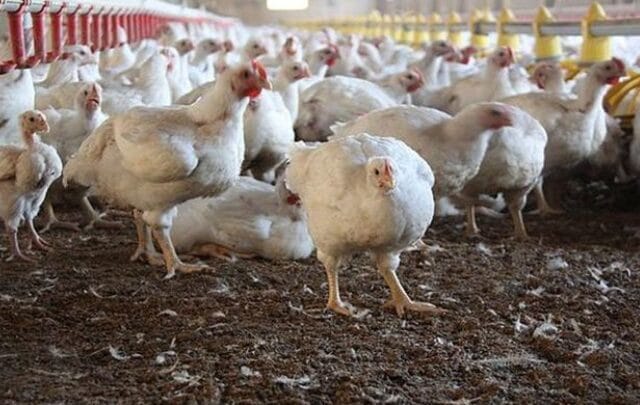
How to Set Up a Broiler Poultry Farm in Nigeria
Get a Suitable Land or Space
When it comes to starting a broiler poultry farm, it’s not just about buying chicks and hoping they survive — success starts with the right environment.
If you’re starting small (say, with 50 to 500 birds), you don’t need to buy acres of land. A clean, well-drained space with good airflow is all you need. In fact, many beginners start in their backyard or rent a small plot of land.
However, keep these in mind:
- Avoid residential areas.Poultry farms produce noise and odour, which neighbours may not tolerate.
- Steers clear of swampy or flood-prone zones.These areas retain moisture, promote disease, and are bad for your birds’ health.
- Ensure the space allows for future expansion if you plan to scale later.
A good location not only keeps your birds healthy but also makes management easier and more hygienic.
Build Proper Poultry Housing
Once you have your space ready, the next important step is building a proper shelter for your birds. Broilers need a clean, well-ventilated environment to grow healthy and fast.
There are two housing systems you can choose from: the Deep Litter System (Most Common for Broilers) and Battery Cage System (Less Common for Broilers). In deep litter system, birds are raise on the floor using dry bedding materials like wood shavings, rice husk, or sawdust. It’s cost-effective and widely used by small- to medium-scale farmers while the Battery Cage System is more common in layer farming but can also be adapted for broilers in large-scale commercial setups. It involves housing birds in individual cages, which helps control feeding and movement but is more expensive to set up.
Basic Requirements for a Broiler House:
- Concrete flooring– easy to clean and disinfect.
- Good ventilation – use netting or wire mesh to allow fresh air in and keep predators out.
- Sloped roofing – for proper rainwater drainage, especially during the rainy season.
- Adequate spacing – allow about 1 to 2 square feet per broiler to prevent overcrowding, stress, and disease spread.
A well-designed poultry house creates the right environment for your birds to thrive, reducing mortality rates and boosting your overall productivity.
Buy Healthy Day-Old Chicks (DOCs)
Your poultry business success begins with the quality of chicks you stock. Some day-old chicks (DOCs) already carry latent infections from the hatchery. If you’re unlucky to buy such chicks, these hidden infections can develop into full-blown diseases that can wipe out your entire flock.
That’s why it’s important to buy only healthy, vaccinated day-old chicks from reputable sources.
Here’re tips for Buying Healthy DOCs:
- Avoid buying from roadside vendors or open markets. These chicks often lack proper vaccination and handling.
- Confirm vaccination records, especially for Marek’s disease and Newcastle disease, which are common and deadly.
- Buy from well-known hatcheries with a history of producing fast-growing broiler breeds like Arbor Acres. Ross 308 and Cobb 500
I usually advise new poultry farmers to ask experienced local farmers where they buy their DOCs. Many farmers recommend hatcheries in Ibadan or Jos due to their consistency in delivering healthy, high-quality chicks.
Starting with the right chicks gives you a solid head start—and saves you from unnecessary losses down the line.
Prepare a Feeding Plan for your Broilers
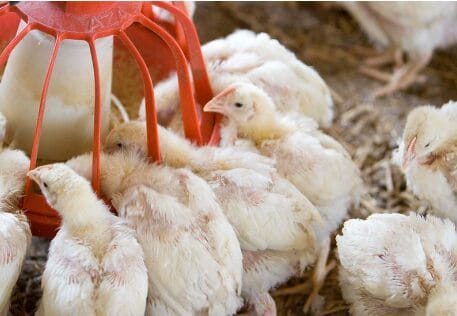
A well-structured feeding plan is crucial to running a profitable broiler poultry business. Many farmers experience high mortality rates, stunted growth, and poor weight gain simply because their feeding strategy is wrong or inconsistent.
Broilers are genetically bred to grow fast—but this only happens when they’re fed nutritionally balanced feed at the right stages.
Broiler Feeding Stages include Starter Feed (Week 1–3) and Finisher Feed (Week 4–6 or 8). While starter feed are high-protein feed (20–24%) to support early growth and immunity development, the finisher feed are high-energy feed with moderate protein (16–18%) to help them gain weight fast before sale.
Feeding Options include:
- Commercial Feed Brands – this is easy to use and it is also time-saving. Brands like TopFeeds, Vital, Hybrid, or Chikunare common in Nigeria.
- Self-Formulated Feed – this is cheaper in the long run but requires technical knowledge of nutrition and formulation. If you want to start formulating your own feed and even sell to other farmers, how to start a feed mill. Self-formulated feed is good for experienced farmers or those with access to raw materials like maize, soybean meal, fishmeal, etc.
If you want your broilers to perform very well, here’re important feeding Tips you have to adopt:
- Always use fresh, dry feed— avoid moldy or caked feed.
- Store feed in a cool, dry, and rodent-proof
- Provide clean feedersand ensure there’s no feed wastage.
Importantly, feed your birds consistently (morning and evening), and always provide clean water alongside. Broilers eat a lot—and drink even more!
5. Ensure Clean Water & Sanitation
This might sound basic, but clean water is absolutely non-negotiable in broiler poultry farming. If you go through some of the most common challenges facing poultry farming in Nigeria, lack of clean water is one of the most challenges. I’ve seen cases where birds were well-fed but still suffered poor health—or even died—because they were drinking contaminated water. If you overlook this one thing, you could lose your entire broiler poultry farm.
Just think about it: broilers eat a lot, but they drink even more. That means whatever goes into their water—dirt, bacteria, leftover feed—gets into their system fast. So, if you want healthy, fast-growing birds, water hygiene must be a top priority.
Here’s how to keep your water and farm environment clean:
- Use clean drinkersand refill them 2–3 times daily. On hot days, they drink even more, so you might need to check more frequently.
- Add vitamins or antibioticsto their water, but only if prescribed by a vet. Don’t just mix drugs on guesswork—this can do more harm than good.
- Clean feeders and drinkers daily. Don’t wait until you see green slime or dirt. Make it a daily habit—it only takes a few minutes but makes a huge difference.
- Dispose of droppings regularlyand always keep the environment dry. Damp litter or floors can breed disease-causing organisms like coccidia or salmonella, and that’s the last thing you want.
Here’s my suggestion: If you can smell ammonia in your poultry house or the floor feels wet, you’re overdue for a cleanup.
Good sanitation isn’t just about looking neat—it’s about protecting your birds, your investment, and your peace of mind.
Set up Heat & Ventilation (Brooding)
One of the most critical phases in broiler poultry farming is brooding—the first 2 to 3 weeks of a chick’s life. At this stage, day-old chicks are fragile and can’t regulate their own body temperature, so they depend entirely on you to provide warmth.
If they’re too cold, they’ll huddle together and may even die. If they’re too hot, they’ll spread out, become stressed, and stop eating well. Either way, poor brooding equals poor results.
Here’s how I usually set up brooding for best outcomes:
- Use charcoal stoves, gas brooders, or infrared bulbsto generate heat. Just make sure you manage open flames carefully to avoid fire risks.
- Keep the temperature around 32–35°C during the first week, then reduce gradually each week as they grow and develop feathers.
- Make sure chicks stay under the heat source comfortably, not piling up or gasping for air.
- Ensure good ventilation in the pen. You don’t want the place too stuffy—fresh air is essential to prevent respiratory problems and control ammonia buildup from droppings.
I’ll advice that you constantly monitor your chicks’ behavior. If they’re all gathered tightly under the brooder, it’s too cold. If they’re far from the heat, it’s too hot. If they’re evenly spread and chirping softly—that’s perfect.
In summary, starting a broiler poultry farm in Nigeria isn’t rocket science—but it does require planning, clean habits, and smart decisions from the beginning. Whether it’s choosing the right chicks, managing feed, or setting up proper brooding and sanitation, every step counts.
When your setup is right, you’ll notice lower mortality, better growth rates, and ultimately, more money in your pocket.
Is Broiler Poultry Farming Profitable in Nigeria?
Short answer? Yes, it can be very profitable — but only if you manage it well. That’s if you’re still asking, which poultry farming Is most profitable in Nigeria?
Broiler poultry farming is one of those agribusinesses in Nigeria where your profit is directly tied to how efficient and disciplined you are. The margin per bird might not seem huge at first glance, but when you scale up and minimize losses, the returns start looking attractive.
Let’s Break It Down: Example Profit Margin per Bird
Here’s a realistic cost breakdown per bird in 2025:
| Item | Estimated Cost per Bird (₦) |
| Day-old chick (DOC) | 650 – 900 |
| Feed (starter + finisher) | 2,200 – 3,200 |
| Medications & vitamins | 200 – 350 |
| Miscellaneous (sawdust, water, etc.) | 500 – 1,000 |
| Total Cost per bird | ₦3,550 – ₦5,450 |
Now, a fully grown broiler (at 6–8 weeks) sells for:
- ₦6,500 – ₦15,000depending on location, size, season (festive periods like Christmas or Salah), and how you sell (wholesale vs. direct to consumer).
So your average profit per bird can range from:
- ₦1,050 to ₦9,450 per bird, assuming low mortality and smart cost control.
Projected Net Profit for Different Scales
Let’s look at potential profits based on how many birds you raise:
| No. of Birds | Total Cost Range | Sales Range | Estimated Net Profit |
| 100 birds | ₦355,000 – ₦545,000 | ₦650,000 – ₦1.5m | ₦105,000 – ₦955,000 |
| 500 birds | ₦1.78m – ₦2.73m | ₦3.25m – ₦7.5m | ₦1.47m – ₦4.77m |
| 1000 birds | ₦3.55m – ₦5.45m | ₦6.5m – ₦15m | ₦2.95m – ₦9.55m |
It is important you that these are rough but practical estimates. Prices can shift depending on feed cost, bird weight, and local market demand.
Profit Expectations for Beginners
Let’s be real: You won’t make ₦9,000 per bird every time. That’s possible during peak seasons with heavy birds and direct-to-customer sales. But you should aim for consistent profit and low loss — even if it’s ₦1,000–₦2,500 per bird to start with.
Most farmers start small (100–200 birds), reinvest their profit, and grow steadily. You’ll learn the tricks like bulk feed sourcing, negotiating with hatcheries, or timing sales for festive seasons to maximize your return.
Broiler farming isn’t just a business — it’s a system. Once you master it, the profit keeps flowing in.
See: Ways to Make Money in Poultry Farming Business in Nigeria
Common Mistakes to Avoid in Broiler Poultry Farming
Even experienced farmers slip up — but if you’re new to broiler poultry farming, avoiding these common mistakes can save you from major losses:
Buying Poor-Quality DOCs (Day-Old Chicks)
If you start with weak or low-quality chicks, nothing else you do may matter. I’ve seen farmers lose over 30% of their flock just because they bought cheap DOCs from unreliable sources.
I candid advice is that you should always buy from reputable hatcheries or certified suppliers. It’s worth paying a little extra for strong, disease-free chicks.
Overcrowding the Pen
More birds in a small space might seem like a smart way to “maximize” profit — but it backfires quickly. Overcrowding causes stress, diseases spread faster, and growth slows down.
Try as much as possible to follow spacing guidelines. A standard recommendation is 1 square foot per bird at the early stage, expanding as they grow.
Poor Ventilation
Good airflow is crucial. Broilers release heat and moisture — and without ventilation, your pen turns into a disease hub.
You should ensure your poultry house allows cross ventilation. Install side windows or ventilators and avoid sealing the pen entirely.
Skipping Vaccination or Misusing Drugs
Some farmers either don’t vaccinate at all or use medications wrongly — leading to preventable deaths or resistance.
It is important that you stick to a vaccination schedule and always consult a vet before administering antibiotics. Don’t play the guesswork game.
Delaying Sale after Maturity
Once broilers reach 5–8 weeks (depending on breed and feeding), their feed conversion drops. That means they eat more but gain less weight — cutting into your profits.
This tells you one thing: Plan your market in advance. Don’t wait till birds “look fatter” — sell when growth is optimal.
Where to Sell Your Broilers in Nigeria
You’ve raised your birds — now it’s time to sell and make a profit. But where exactly can you sell your broilers in Nigeria? The fact is, having a market is just as important as raising healthy birds. Without a good selling plan, your birds may overstay, increasing feed cost and reducing profit.
Here are the most reliable places to sell your broilers:
Open Markets & Chicken Buyers
This is the most common and fastest way to sell broilers. Simply take your birds to a local poultry market or have bulk buyers come directly to your farm.
It is always good to build a relationship with regular market women and live chicken resellers. Some may even book your birds in advance.
Frozen Meat Processors
Some poultry businesses specialize in processing and packaging frozen chicken. If your farm meets hygiene standards, you can supply in bulk to these processors. It’s more structured but may require consistency and paperwork.
Hotels, Restaurants, & Eateries
Hotels and food vendors are constantly in need of chicken — either fresh or frozen. They often buy in bulk and can become repeat customers.
While you can sell your bird to hotels, restaurants and eateries, it is advisable that you start reaching out to them earlier. Also offer free tasting or discounted trial supply to build relationship with them.
Direct-to-Households (WhatsApp, Instagram, Facebook)
More Nigerians are now buying directly from farmers online, especially in cities. Social media platforms have opened a Market your broilers on WhatsApp Status, Instagram, and Facebook Marketplace. Take clean pictures, display the weight/price, and offer home delivery or pickup options.
Partner with Vendors during Festive Seasons
Festive seasons like Eid, Christmas, and New Year come with high demand and higher prices.
Partner with market vendors or organize pre-order sales promotions weeks before the holidays. This way, you sell faster and profit more.
Don’t wait until your birds are ready before looking for buyers. Start building your customer list early — during the 3rd or 4th week — and collect pre-orders if possible.
How to Grow Your Broiler Poultry Business in Nigeria
So, you’ve successfully raised and sold a few batches of broilers — what next?
If you’re serious about turning poultry farming into a long-term, profitable venture, then it’s time to think beyond just raising birds.
Here are smart ways to grow your broiler business in Nigeria:
Add Broiler Meat Processing & Packaging
Instead of selling only live birds, why not go a step further?
Set up a mini processing unit where you can slaughter, clean, and package frozen chicken for households, restaurants, or supermarkets.
When you add broiler meat processing and packaging, you’ll attract more customers who prefer ready-to-cook or pre-packaged meat — and you can sell at a higher price.
Sell Chicken Manure or Feathers
Many new farmers overlook this, but even your poultry waste is valuable.
Chicken manure is a hot cake among crop farmers and gardeners. And feathers can be sold in bulk to local artisans or used in pillow/furniture making.
Instead of discarding waste, monetize it
Open a Small Poultry Feed Store
If you’ve gained experience with feed types and sourcing, why not start reselling?
- Sell broiler starter, grower, and finisher feeds
- Add supplements, vaccines, or feeders/drinkers
You’ll create an extra income stream while helping other farmers in your area.
Become a DOC (Day-Old Chick) Distributor
After raising multiple batches, you probably know the best hatcheries to buy from.
You can use this knowledge to start reselling high-quality DOCs to other farmers. Earn a commission from hatcheries or buy in bulk and resell
It’s a smart way to earn without even raising birds yourself.
Conclusion
Broiler poultry farming in Nigeria is one of the fastest ways to make money in poultry business — but only when done right. Whether you’re raising 50 or 5,000 birds, success lies in your planning, daily care, and ability to learn from every batch.
From selecting healthy day-old chicks, maintaining clean water and proper ventilation, to feeding them right and selling smart — every step matters.
Remember:
- Start with what you can afford
- Do your homework before buying anything
- Avoid shortcuts — they often lead to costly mistakes
- And don’t be afraid to grow and diversify over time
Many successful poultry farmers today started small — in their backyard, on a rented land, or with just a handful of birds. What made the difference was consistency, smart choices, and reinvestment.
So if you’ve been thinking about starting a broiler business, there’s no better time than now. Nigeria’s demand for chicken keeps rising, and there’s room for you to succeed too.
Now, go out there and build your poultry success story — one broiler at a time.
FAQs about Broiler Poultry Farming in Nigeria
- How many weeks does it take to raise broilers in Nigeria?
Typically, broilers are ready for sale within 6 to 8 weeks, depending on their feed quality, genetics, and management. Some farmers who feed aggressively with high-protein diets start selling as early as 5–6 weeks, especially if they’re targeting “soft chicken” markets.
2. How many months do broilers take to mature?
Broilers don’t take months to mature like layers do. On average, they mature in just 1.5 to 2 months (that’s 6 to 8 weeks). After that point, keeping them longer leads to increased feed consumption without equivalent weight gain — meaning less profit.
- How much does it cost to raise 100 broiler chickens in Nigeria?
Here’s a rough estimate (subject to market variations):
| Item | Cost per Bird (₦) | Cost for 100 Birds (₦) |
| Day-Old Chicks (DOC) | 650 – 900 | 65,000 – 90,000 |
| Feed (starter + finisher) | 2,200 – 3,200 | 220,000 – 320,000 |
| Medications & Vitamins | 200 – 350 | 20,000 – 35,000 |
| Miscellaneous (sawdust, water, heating, etc.) | 500 – 1,000 | 50,000 – 100,000 |
| Total | — | ₦355,000 – ₦545,000 |
Keep in mind that actual costs can vary by location, brand of feed, and your level of efficiency.
. Is broiler poultry farming better than layers?
It depends on your goals:
- Broilersare better for short-term profit (ready in 6–8 weeks).
- Layersare better for long-term income, as they lay eggs for 12–18 months.
If you want quick turnover, broilers are ideal. But if you’re looking for steady cash flow (e.g., from egg sales), then layers may be your best bet.
- How many bags of feed do I need for 100 broilers?
On average, a broiler eats about 4–5 kg of feedfrom day-old to market weight (6–8 weeks). So for 100 broilers, you’ll need:
- 400–500 kg of feed
- That’s roughly 16–20 bags(assuming 25 kg per bag)
Always buy a little extra to cover feed waste or extended grow-out periods.
We create Business plan for different businesses including a Broiler Poultry Business plan. Feel free to contact us if you need a business plan on Broiler Poultry farming. Our experts will surely deliver to you the best business plan on Broiler Poultry farming.
If this article on Starting a Broiler Business in Nigeria: Capital, Setup, Profits & Mistakes to Avoid is helpful to you, do not hesitate to share this article with your friends and relatives on Facebook, Twitter (X), Whatsapp etc., you can never tell who might benefit from it.
Follow us on our social media platform, I promise you’ll never regret it.
Feel free to comment or ask questions using the comment box below. Wish you all the best.
