
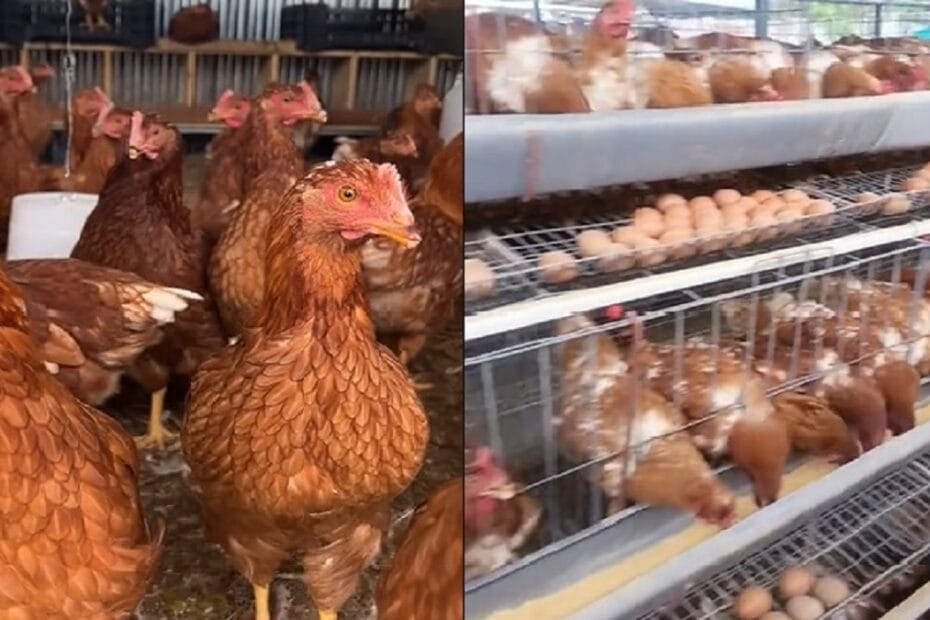
If there’s one agribusiness in Nigeria that never runs out of customers, it’s egg production. Every morning in almost every home, eatery, bakery, and roadside food stand, eggs are on the menu — fried, boiled, or baked into pastries.
Nigeria produces about 650,000 tones of eggs annually, but that’s only around 30% of what the country actually needs, according to FAO data via CSIRO. This means there’s still a massive gap between supply and demand — and that’s exactly where you, as an aspiring layer poultry farmer, can take advantage.
At Naijaonlinebiz, our ultimate goal has always been to share profitable business ideas in Nigeria — whether it is agribusinesses, retail food ventures, tech-related businesses, or other promising opportunities — along with practical steps to start and grow them into a sustainable source of income and livelihood. And I’m proud to say we’ve never fallen short of that promise.
So, whether you’re starting with 50 birds in your backyard or aiming for a 2,000-bird commercial layer farm, I’ll walk you through everything you need to start a profitable layer poultry farm in Nigeria — from housing and feeding to vaccination, marketing, and turning your egg production into a truly profitable business.
Before we dive deeper, let’s get on the same page about what layer poultry farming really means — and the different breeds you can raise here in Nigeria.
What’s Layer Poultry Farming All About?
Layer poultry farming is the practice of raising chickens specifically for egg production. These birds — called layers — are specially bred and managed to produce high-quality eggs consistently over a long period. Unlike broilers (which are raised for meat), layers focus all their energy on laying eggs rather than gaining weight. With proper feeding, housing, and care, a layer hen can produce eggs almost daily for 12–18 months before production naturally declines.
Different Breeds of Layers You Can Rear in Nigeria
While there are many chicken breeds worldwide, only a few perform well in Nigeria’s climate and farming conditions. The most common and productive ones include:
- Isa Brown– Known for their high egg-laying capacity, producing up to 300–320 eggs a year. They mature quickly and adapt well to both deep-litter and battery-cage systems. A popular distributor of Isa Brown layers is Chi Farms Ltd, a subsidiary of Tropical General Investment . Their Ibadan regional office is located No 16, Alaafin Avenue, opposite Oluyole private International School, Ring road, Ibadan while their head office is at Lagos.
- Black Australorp– Hardy and adaptable, they produce slightly fewer eggs than Isa Browns but are valued for their resilience to diseases and heat. This species of bird is hard to find in Nigeria
- Leghorn– Lightweight birds with excellent feed-to-egg conversion, making them cost-effective for farmers. They lay large white eggs.
- Lohmann Brown– Similar to Isa Browns but often preferred for their calm temperament and consistent egg size. Lohmann Brown layers are also available in Ibadan, Jos, and Enugu, Nigeria. Chi Farms Ltd. is also one the major distributor of Lohmann Brown chickens .
- Nera Black– A crossbreed developed for tropical climates, they’re hardy, heat-tolerant, and capable of producing up to 280–300 eggs per year.
Choosing the right breed depends on your farm’s location, climate, budget, and management style — but all the breeds above are proven performers in Nigeria.
Is Layer Poultry Farming Profitable in Nigeria?
Yes! Layer poultry farming in Nigeria is highly profitable — especially when properly managed. Here’s why:
- High demand –Schools, eateries, homes, bakeries — everyone needs eggs.
- Steady income –Layers lay daily, meaning consistent cash flow.
- By-products –Poultry manure can be sold or used for crop farming.
A Quick Profit Example:
Let’s say you have 500 layers producing an average of 384 eggs/day (about 12 crates).
If you sell each crate at ₦4,700 – ₦5,500, here’s the math:
- Daily Revenue:12 crates × ₦4,700 = ₦56,400 (minimum)
- Monthly Revenue:₦56,400 × 30 days = ₦1,692,000
At the higher price point:
- Daily Revenue:12 crates × ₦5,500 = ₦66,000
- Monthly Revenue:₦66,000 × 30 days = ₦1,980,000
Even after deducting feed, labor, and other expenses, your profit margin will still remains attractive. You can compare this profit with what’s obtainable in broiler poultry farming in Nigeria
It’s important you know that egg prices tend to rise during festive seasons — meaning more profits if you plan production cycles smartly.
Read also: Which Poultry Farming Is Most Profitable in Nigeria?
Steps to Start a Profitable Poultry Layer Farm in Nigeria
#1. Develop a Solid Business Plan
Every successful poultry business starts with a clear plan. This is where you decide how big you want to go and how much you’re willing to invest.
In your layer poultry farm business plan, map out the number of birds you’ll start with — you can begin with 100–200 layers or go big with 1,000–2,000+ birds. You’ll also need a budget breakdown covering land or space, poultry housing, quality feed, day-old chicks (DOCs), labour, vaccines, and other running costs.
From my experience, starting with at least 1,000 layers is far more profitable in the long run, even though it requires more capital upfront. You’ll enjoy better economies of scale and higher returns per unit cost. However, it’s important to start with a number your capital can comfortably handle.
Cost guide:
- 100 layers:₦700,000–₦1,500,000
- 1,000 layers:₦3.5M–₦7M (profits scale much faster at this level)
Remember, a business plan is not just for banks or investors — it’s your personal roadmap to avoid surprises and make smart decisions from day one.
If you’re not sure on how to create a one, you can check out this our guide on Poultry farming business plan (Sample and format) — it include free sample format you can adapt for your own form.
#2. Acquire Land or Space
In layer poultry farming, spacing isn’t just important—it can make or break your success. Birds that are overcrowded become stressed, produce fewer eggs, and are more prone to diseases. Once you’ve decided to start and have your business plan in place, your next major move is to secure the right land or space.
From my experience, starting small is often better. If you’re going for a small-scale setup, a well-ventilated backyard can comfortably hold between 50–200 birds. You can even start with one pen and expand as profits roll in. For medium-scale operations, 1–2 plots of land give you enough room for proper housing, storage, and even a little extra space for expansion without the headache of relocating later.
When choosing your site, don’t just think about size—think about practicality. Ensure the location has:
- Reliable water supply– Layers drink a lot, and lack of water even for a few hours can affect egg production.
- Easy access to your target market– Being close to buyers means you’ll sell fresh eggs faster and save on transportation costs.
- Good drainage and airflow– This helps keep the environment dry and healthy for the birds.
Remember, a well-chosen location doesn’t just house your birds—it sets the stage for growth, efficiency, and long-term profit.
#3. Design Your Poultry Housing (The Pen)
For a successful layer poultry farming business, your pen design can make the difference between smooth operations and daily stress. A well-planned poultry house will keep your chickens healthy, makes egg collection easier, and saves you from avoidable problems down the line.
There are two main housing systems you can choose from.
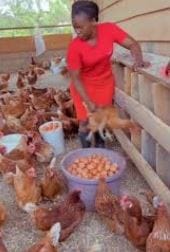
Deep Litter System – In this setup, chickens move freely on the floor, which is covered with wood shavings or rice husks. It’s cheaper to set up and works well for small to medium-scale farmers. However, it requires regular cleaning to prevent ammonia buildup from droppings. From experience, if you slack on cleaning, the smell will greet you long before you even reach the pen!
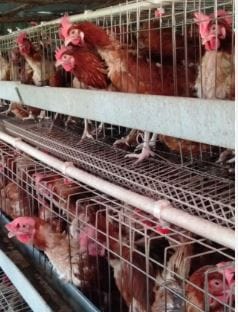
Battery Cage System – Common in large-scale commercial farms, this setup keeps birds in cages with individual feeders and drinkers. It’s more expensive to establish but makes egg collection faster and cleaner. Battery cages save space and improve egg quality, but the initial investment can be steep, so weigh your budget carefully before choosing.
Whichever system you choose, make sure your poultry house has good ventilation to reduce heat stress, proper drainage to prevent waterlogging and disease, adequate lighting for steady egg production, and strong, secure fencing to keep out predators like snakes, dogs, and hawks. A simple wire mesh fence can save you from huge losses.
I advise you position the longer side of your poultry house to face east–west. This minimizes direct sunlight during the hottest hours of the day, keeping your birds cooler and less stressed.
#4. Purchase Necessary Equipment
If you want to run your layer poultry farm smoothly, you’ve got to start with the right equipment. Think of it like preparing your kitchen before cooking — without the right utensils, you’ll struggle no matter how good your recipe is. Now, you don’t have to buy every single poultry item at once, but there are some essential ones you can’t do without.
Feeders and Drinkers – These are your birds’ dining table and water cups. You need feeders to share feed neatly to your birds and drinkers to supply clean water. Trust me, pouring feed straight on the floor is an open invitation for wastage, dirt, and disease. So, it is important you invest in proper feeders and drinkers to save money in the long run.
Egg Trays, Crates, and Baskets – If you’ve ever tried carrying eggs without a proper tray, you’ll understand why these are non-negotiable. They keep eggs safe during collection, storage, and transport. Even a small crack can make an egg unsellable — and that’s big profit lost.
Battery Cages (Optional) – If you’re going large-scale, battery cages can be a game changer. They save space, make egg collection easier, and improve egg cleanliness. But remember, they come with a hefty initial cost, so weigh it against your budget before deciding.
Heaters or Light Bulbs – Brooding chicks without steady heat is like raising newborns in a cold room. They need warmth to survive and grow properly. I recommend having a reliable power source — nothing is more frustrating than a blackout when you’re trying to keep your chicks alive. You can buy generator and charcoal pots, don’t rely solely on electricity.
Water Tank or Reservoir – Water is life — for you and for your birds. A GP tank or reservoir ensures your flock never runs dry, even during dry seasons. And here’s a tip from experience: don’t use untreated well water on your poultry farm. It can carry harmful bacteria and minerals that affect bird health. Tap water, running water, or properly treated borehole water is far better and safer.
Getting the right equipment from the start might feel like a big expense, but it saves you from bigger problems later — and in poultry farming, prevention is always cheaper than cure.
#5. Source Quality Layer Chicks or Point-of-Lay Birds
Now that your poultry housing and system are ready, the next step is to bring in your birds. Your choice here—whether day-old chicks (DOCs) or point-of-lay birds—will greatly influence your startup cost, level of involvement, and how soon you start earning from egg sales.
Day-old chicks generally cost between ₦500 and ₦700 each, while point-of-lay birds (usually 16–18 weeks old) range from ₦2,500 to ₦3,500 per bird. DOCs are cheaper but require more intensive care in the early weeks—heat management, vaccination, feeding, and close monitoring. Point-of-lay birds, on the other hand, are more expensive but save you the stress of brooding, and they start producing eggs within weeks of arrival.
From experience, the temptation to go for the cheapest birds you can find is high—especially when starting on a tight budget—but this is a typical beginner’s mistake. Poor-quality chicks will cost you more in the long run through low egg production, high mortality, or increased medication costs. It’s always wiser to source from reputable hatcheries with a track record for strong, healthy, and well-vaccinated stock. In Nigeria, hatcheries such as Zartech, CHI, Amo, and Agrited are among the most trusted. Many of these have distribution hubs in poultry-producing regions like Ibadan and Jos, so location should not be a barrier.
I want you to think of it this way—getting good birds is like planting good seeds; it sets the good track for your entire farming journey. If the foundation is weak, the outcome will always disappoint.
#6. Get Their Feeding and Nutrition Right
Feeding and nutrition is the backbone of your poultry farming business — get this wrong, and every other effort you’ve put in will be in vain. Remember, in most poultry farming setups, feeding accounts for about 70% of their total cost. That’s why it’s not just about giving your birds food; it’s about giving them the right food at the right stage.
In simple terms, your feed plan should follow their growth stages:
- Starter feed (0–6 weeks):Packed with high protein to help chicks grow fast and healthy.
- Grower feed (6–18 weeks):Balanced for steady weight gain without making the birds overweight.
- Layer mash (18 weeks onward):Rich in calcium and nutrients for strong eggshells and consistent egg production.
From observation, farmers who cut corners on feed quality often end up spending more than expected later — either on vet bills or from losses due to poor growth and low egg production.
If you have the experience, you can produce your own feed especially if you run an animal feed mill. In that case, consider adding grit or oyster shells for extra calcium. But you have to be careful — feed formulation is both a science and an art; without proper know-how, you could end up harming your birds rather than helping them.
#7. Vaccinate Your Birds Properly
In poultry farming, nothing can cripple your farming business faster than a disease outbreak. One infected bird can quickly turn your entire flock into a health disaster, wiping out months of investment and effort. I’ve seen an entire poultry farm of 500 birds wipe-out in less than 72 hours. That how bad disease outbreak could be. And that’s why vaccination isn’t optional — it’s a survival strategy.
Some of the most common diseases that affect layers include Newcastle disease, Gumboro, Coccidiosis, and Marek’s disease. These illnesses can cause drastic drops in egg production, high mortality, and in some cases, permanent damage to your farm’s reputation among buyers.
Instead of overwhelming yourself with long lists of vaccines, focus on a practical, easy-to-follow schedule that covers the most critical diseases. For instance:
- Marek’s Disease: Administered at day-old chicks (subcutaneous injection).
- Newcastle Disease & Gumboro: Given at intervals during the first month (eye drops or drinking water).
- Lasota: Repeated monthly after week 6 to maintain immunity.
From my experience, the key to effective vaccination isn’t just following the schedule but also ensuring proper storage and handling of vaccines. If a vaccine loses potency because it wasn’t kept at the right temperature, you might as well be giving your birds water.
Finally, remember: even the best vaccination program will fail if your farm hygiene is poor. Keep pens clean, disinfect regularly, and limit visitor access — especially those who have been to other poultry farms. Biosecurity and vaccination go hand in hand.
#8. Debeak the Layers
Debeaking, also called beak trimming, is the careful removal of a small portion of a bird’s beak to reduce pecking injuries, cracking of eggs and prevent feed wastage. Layers, especially in large flocks, can sometimes become aggressive—pecking at each other’s feathers or cracking even their eggs and sucking it. This is usually common when the birds are starved. This behavior not only stresses the birds but can also lead to higher mortality and reduced egg production.
From experience, I’ve learned that debeaking works best when done once, at the right age (usually between 6–10 days old for chicks, or at 6–8 weeks if missed earlier). Use a proper debeaking machine or seek help from a trained vet doctor or poultry technician who’s experienced to avoid injuring the bird or causing long-term feeding problems.
When done correctly:
- Birds eat more efficiently, reducing feed wastage.
- Low number of eggs are loss
- Injuries from pecking are minimized.
- Overall flock calmness improves.
It is important you don’t debeak during a major stress period—such as right after vaccination, transportation, or during extreme heat. I once made the mistake of trimming a batch just after a Newcastle vaccine, and the stress combination caused a noticeable drop in feed intake for almost a week. Lesson learned—timing is everything in poultry farming.
#9. Ensure Proper Lighting
Lighting plays an important role in egg production. This is what most new layer poultry farmers don’t know. Laying hens need about 14–16 hours of light every day to maintain a consistent laying cycle. Without adequate light, their egg production will slow down — even if you’re giving them the best feed.
During the rainy season or in the early mornings when natural sunlight is limited, you can supplement your poultry farm with solar-powered bulbs or regular electric lights. Solar is a great choice for farmers in rural areas where power supply is unreliable — it saves cost in the long run and ensures your hens get the light they need.
However, too much light can induce stress to the birds and even lead to aggressive pecking of each other. Always stick to a maximum of 16 hours of light daily and allow a proper dark period for rest. I want you to think of it this way: just like humans, hens need a balance of work (laying) and rest (dark period) to stay healthy and productive.
I once visited a farm where the farmer kept the lights on for almost 24 hours thinking it would make the hens lay more. The opposite was the case— the birds became restless, stressed, and egg production dropped drastically. Balance is the magic.
How to Sell Your Eggs in Nigeria
Most layer poultry farmers make a common mistake — they wait until their hens start laying before asking, “How do I sell my eggs?” By then, it’s already too late to build a strong customer base. If you’re a smart layer farmer, buyers should be waiting for your eggs before they even start arriving. That’s why I always tell new farmers to start building your market early.
When I’m consulted by aspiring poultry farmers, I emphasize this over and over again — the moment you have your chicks, start making contacts. Don’t just raise birds; raise customers alongside them.
You can sell your eggs to local markets, restaurants, schools, caterers, supermarkets, and even directly to households through your WhatsApp status or Instagram. Social media is no longer just for posting pictures; it’s a free marketplace if you know how to use it. We’re now in the digital era. If you must succeed, you must follow the trend.
A few smart marketing moves can make a big difference:
- Use labelled egg cartons— it gives your business a professional look and builds trust.
- Offer bulk supply discounts to encourage big buyers to stick with you.
- Network with other layer poultry farmers — join local groups, attend agricultural fairs, Expo and connect with potential buyers before your hens start laying.
When I sold the first set of eggs from my poultry farm in 2013, I had a school ready to take 20 crates a week before my hens even laid their first egg. This early arrangement kept my sales steady and my cash flow predictable. Remember, the earlier you start selling yourself, the easier it is to sell your eggs.
Cost Breakdown for Small-Scale Layer Poultry Farming (Example: 100 Layers)
| Item | Estimated Cost (₦) |
| 100 Point-of-Lay Birds | 300,000 |
| Feed (3 months) | 200,000 |
| Poultry House | 250,000 |
| Equipment | 80,000 |
| Vaccines/Drugs | 40,000 |
| Miscellaneous | 50,000 |
| Total | ₦920,000 |
If your birds are already at Point-of-Lay (POL) stage, you can start earning within 2–3 weeks once they begin laying.
Key Takeaways for Beginner Layer Poultry Farmers
Here’s one thing I’ve noticed about layer poultry farming in Nigeria — finding Point-of-Lay (POL) birds isn’t always easy. And when you do find them, the price can make you pause. That’s why many farmers (including me, when I started) prefer rearing from day-old chicks instead.
Now, I know it’s tempting to start big — maybe 100 POL birds right away — but honestly, I wouldn’t recommend that for a beginner. If you’re new, start with 50 day-old chicks first. It’s safer, cheaper, and gives you the chance to make your mistakes on a smaller scale while learning the ropes.
Here’s my golden rule for newbies:
- Start small, scale gradually. Don’t let excitement push you into biting off more than you can chew.
- Keep proper records. Track egg count, feed usage, expenses, and sales — your numbers will tell you if you’re making progress.
- Learn from others. Visit Visit other farms, ask questions, and find a mentor who’s already succeeding.
- Stick to your vaccine schedule. Prevention is always cheaper than treatment.
- Protect your birds from the weather. Cold and dampness can wreck productivity, so reinforce your pens during rainy and cold seasons.
Poultry farming is more of a marathon than a sprint. The farmers who last are the ones who start small, learn fast, and grow steadily — not the ones who rush in and burn out.
Common Challenges in Layer farming (and Solutions)
Layer farming in Nigeria can be profitable, but it comes with its fair share of challenges. One of the biggest issues you’ll face as a farmer is high feed cost. Feed prices fluctuate often, and they can take a big bite out of your profit margin. A smart way to manage this is to mix your own feed if you have the knowledge and equipment, or buy in bulk to enjoy wholesale prices.
Another common challenge is disease outbreaks. Just one sick bird in your farm, can spread illness through your flock, leading to massive losses. This is why I advise you stick to a proper vaccination schedule and maintain strict biosecurity — like controlling farm visitors and disinfecting equipment — is non-negotiable.
You may also experience low egg yield, especially if your birds are stressed, underfed, or not getting enough light. Layers need the right balance of protein, calcium, and vitamins, as well as at least 14–16 hours of light daily to maintain production.
Finally, poor sales can hurt your cash flow, no matter how many eggs you produce. The best solution is to start building your customer network early. Reach out to market sellers, restaurants, hotels, and even individuals before your birds start laying. That way, you already have buyers lined up when egg production begins.
From experience, layer poultry farmers who succeed are those who plan ahead for both production and sales — not just one side of the business.
Conclusion
Starting a profitable layer poultry farm in Nigeria is not rocket science — but it does require planning, patience, and smart management. With egg prices on the rise and demand staying strong, there’s never been a better time to start.
Whether you’re starting with 50 day-old chicks in your backyard or dreaming of building a full-scale egg production business, remember this: start small, learn fast, and grow wisely. The farmers who last in this business are the ones who build gradually, keep good records, and treat their birds like valuable investments, not just livestock.
The tips you’ve just read aren’t just theory — they come from real-life farmyard lessons (and a few early mistakes I wish I’d avoided). Follow them, and you’ll save yourself money, stress, and sleepless nights.
At the end of the day, poultry farming rewards consistency. Show up for your birds every day, stick to your vaccination schedule, and keep learning from other farmers — and before long, you’ll be collecting eggs and counting profits with a smile.
FAQs about Layer Poultry Farming in Nigeria
- How many eggs can a layer hen produce in a year?
On average, a healthy layer hen can produce 250–300 eggs per year under good management. But this depends on breed, feed quality, lighting, and disease control. I’ve seen farms hit 320 eggs per bird — and I’ve also seen poorly managed farms drop below 200. - Should I start with day-old chicks or Point-of-Lay (POL) birds?
If you’re new, I recommend starting with day-old chicks. They’re cheaper, and you get to learn the full process of raising birds. POL birds can be tricky to find, and sometimes you can’t verify how they were raised before you bought them. - How much does it cost to start a layer poultry farm in Nigeria?
The cost varies depending on scale, but for a small-scale farm with 100 layers, you’ll need about ₦920,000 for day-old chicks, feed, housing, equipment, and vaccinations. Starting with 1,000 layers would cost anywhere between ₦3M to ₦7M, depending on the setup. - How many weeks do layers start laying eggs?
Most commercial layer breeds start laying at 18–22 weeks. Some may start earlier, but don’t be in a hurry — early eggs are often small and irregular. Proper feeding and lighting will help them reach peak production. - How many crates of eggs can 1,000 layers produce?
If you have 1,000 layers, you can expect about 800–900 eggs per day, depending on their health and feed. This translates to around25–30 crates per day (since each crate holds 30 eggs). - How many eggs can 100 layers lay in a day?
For 100 layers, you can expect approximately 80–90 eggs per day, assuming the hens are in good health and well-fed. This can vary based on breed and environmental conditions. - What do I need to start a layer poultry business?
To start a layer poultry farm, you’ll need:
- Land or space for housing and movement
- Poultry house design (deep litter or battery cage system)
- Day-old chicks or POL birds
- Quality feed and feeding equipment
- Vaccines and health management tools
- A good record-keeping system for eggs, feed, and sales
- Marketing strategies to sell your eggs
- What are the common diseases in layer poultry?
The big threats are Newcastle disease, coccidiosis, and fowl pox. Good biosecurity, proper vaccination, and clean housing are your best defense. I always say — prevention is cheaper than cure. - How do I sell my eggs quickly?
Build your customer base before your birds start laying. Target local shops, restaurants, bakeries, and individuals. In my experience, word-of-mouth in your neighborhood can sell out your eggs faster than big adverts.
Your Poultry Success Starts Now
You’ve just discovered how profitable layer poultry farming can be when you follow the right steps.
The secret is simple — start small, learn fast, and expand smartly.
Don’t just read this guide and move on — take action today.
Next Steps:
- Download our FREE Layer Poultry Starter Checklist – Everything you need to get your first flock running smoothly.
- Subscribe to Our Poultry Business Tips Newsletter – Get weekly strategies top farmers use to boost egg production & profits.
- Read Next: 10 Biggest Mistakes New Layer Poultry Farmers Make – And How to Avoid Them
The earlier you start planning, the faster your birds will start laying… and the sooner you start earning.
