

Poultry farming is no doubt one of the most profitable agricultural businesses in Nigeria, Kenya, and across Africa. In fact, in many parts of Nigeria, it’s hard to walk through a community without seeing a backyard poultry farm — from just a few birds to full-scale operations.
Ironically, profitability doesn’t mean it’s problem-free. I’ve seen even well-funded poultry farms shut down because of issues they never anticipated or couldn’t manage. And it’s not just small farmers — even large commercial poultry farming ventures can collapse under these challenges if they’re not proactive.
At naijaonlinebiz we’re always proactive. While we’ve shown you a guide to poultry farming in Nigeria – cost, profit and practical setup tips, we don’t just end there—we go a step further to show you the common challenges most entrepreneurs face in this line of business. Why? Because our ultimate interest is to see you succeed and build a profitable agribusiness venture.
So, whether you’re just starting or already running a poultry business in Nigeria, Kenya or across Africa, I have covered below top 10 challenges you’ll likely face — and what to prepare for:
But before I proceed, let’s know why I’m talking about these challenges facing poultry farming

Why Talk About Challenges Facing Poultry Farmers?
Understanding the challenges in poultry farming is very important for anyone planning to start poultry business in Nigeria or growing already existing one. These challenges are not just obstacles—they are learning points that can help you prepare better, avoid costly mistakes, and build a more sustainable farm.
Some of these challenges may not be obvious at the beginning of your poultry farming journey, but they often resurface during the middle stages of the business. For example, financial strain, disease outbreaks, or market issues may not appear early on—but when they do, they can affect everything. That’s why it’s important to be aware, plan ahead, and seek practical ways to tackle them before they resurface.
10 Poultry Farming Business Challenges in Nigeria, Kenya & Africa
Availability of Viable Breeds of Poultry Birds
Access to viable and disease-free poultry breeds is a major challenge for poultry farmers in Nigeria and across Africa. Many day-old chicks (DOCs) from some hatcheries carry latent infections that may not be obvious immediately. If not detected early and managed properly, these hidden infections can lead to a full-blown disease outbreak in your poultry farm — affecting productivity and leading to avoidable losses.
In my experience, the manifestation of these infections can occur at any stage of the bird’s growth, making it crucial to source your chicks carefully. I strongly advise beginners to buy day-old chicks only from trusted and reputable hatcheries. If you’re unsure where to get them, don’t guess — ask experienced poultry farmers in your area for referrals.
For example, some of the best-quality chicks in Nigeria come from hatcheries in Ibadan (Oyo State) and Jos (Plateau State) — both are well-known for producing healthy, high-performing breeds. Wherever you are, always prioritize quality over price when selecting your chicks.
Read: Starting a Broiler Poultry Business in Nigeria: Capital, Setup, Profits and Mistakes to Avoid
Limited Availability of Space
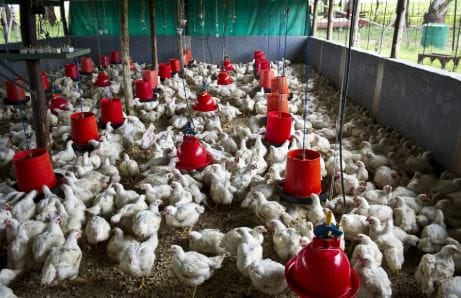
Lack of adequate space is another major challenge affecting poultry farming in Nigeria and many parts of Africa. Poultry birds require sufficient space to move freely and thrive. When birds are overcrowded, heat stress can quickly set in, leading to high mortality rates and poor performance.
From my personal experience, improper spacing can also trigger the spread of diseases, especially when different batches of birds share the same environment without proper sanitation. The reuse of brooding spaces without disinfection is a common mistake many beginners make — and it often leads to early disease outbreaks.
Ideally, every brooding area should be thoroughly cleaned, disinfected, and allowed to rest for some time before introducing a new batch of birds. However, this is only possible if you have enough space to rotate or separate your pens.
If you’re operating with limited space, I strongly recommend using battery cages. Battery cage systems help maximize available space, reduce litter issues, and improve hygiene — especially in urban or semi-urban poultry farms.
Lack of Clean Water Supply
Access to clean and safe drinking water remains a serious challenge for poultry farmers across Nigeria and many parts of Africa. Poultry birds consume water both during the day and at night, and poor-quality water can quickly affect their health, growth, and egg production.
From my experience, well water is not ideal for poultry farming, as it often contains impurities that can cause water-borne diseases. Contaminated water can lead to serious infections like coccidiosis, salmonellosis, or E. coli outbreaks — which may wipe out your entire flock if not addressed quickly.
Before starting your poultry farm, it’s important to make clean water a top priority. I recommend investing in a GP tank for clean water storage, especially during dry seasons or times of water shortage. You should also have a backup water supply plan, such as reliable water vendors, to ensure your birds never go without water.
In poultry farming, water is life, and any compromise on water quality is a direct risk to your investment.
Disease Outbreak
Disease outbreaks are one of the biggest threats to poultry farming in Nigeria and across Africa. These outbreaks are often sudden, widespread, and hard to control, leading to massive losses in both small- and large-scale farms.
From what I’ve observed over the years, most poultry diseases don’t give much warning. A farm can look healthy in the morning and by evening, birds are dropping dead. This is why you must remain extremely vigilant.
One simple but effective strategy I personally use is monitoring the birds’ droppings. A change in the color, consistency, or smell of faeces is usually an early sign of illness. Once I notice anything unusual, I immediately call a qualified Veterinary doctor — don’t guess or delay.
Also, proper hygiene, vaccination schedules, and limiting visitors to your farm can help prevent disease outbreaks. It is not hygienic to wear or allow your visitors to wear outdoor slippers or shoes into the poultry farm, as they can easily introduce contaminants and pathogens to your birds.
In poultry farming, early detection can save your flock, and being careless can wipe out your entire investment overnight.
Power Supply
Unstable power supply is another serious challenge facing poultry farming in Nigeria and many parts of Africa. Inconsistent electricity can affect nearly every aspect of bird management — especially during brooding and cold weather periods when heat and light are essential.
From my experience, chicks can’t survive without warmth, especially in their early days. During brooding, if there’s no power to provide heat through electric bulbs or infrared lamps, you risk losing many of your birds to cold-related illnesses.
Also, poultry birds tend to eat at night, especially in the early stages. Without light, they won’t feed well, and this affects their growth and productivity.
That’s why I strongly advise that poultry farmers invest in an alternative power source — like a generator, solar backup, or inverter system. Relying entirely on Nigeria’s erratic electricity supply is a huge risk to your poultry business.
My usually slogan is – ‘no power, no poultry farm’ — that’s a hard truth you must get prepared for from day one.
Lack of Appropriate Vaccines
Another major challenge in poultry farming in Nigeria is the unavailability of vaccines or failure to administer them at the right time. Poultry birds are supposed to be vaccinated at specific stages of their growth cycle. When these vaccines are delayed, skipped, or completely unavailable, the birds become highly vulnerable to deadly diseases.
From experience, some of the most devastating disease outbreaks I’ve seen on farms were due to improper or missed vaccination schedules. Even when a disease outbreak occurs, the availability of emergency vaccines plays a huge role in containing and managing the situation. Without them, massive losses can occur within days.
That’s why I always recommend poultry farmers to consult and partner with an experienced veterinary doctor or poultry expert who can guide the vaccination plan and respond promptly during emergencies.
It important you don’t guess and administer vaccines indiscriminately. It could cost you your entire flock.
Climatic Condition
Climatic condition is another key challenge affecting poultry farming in Nigeria and across many parts of Africa. Poultry birds generally do well in moderate cold or warm weather, but extreme temperatures — especially intense heat — can lead to stress, low productivity, or even death.
Before setting up a poultry farm, it’s important to understand the climatic pattern of the area. Some regions are more suitable than others. For instance, I strongly recommend places like Jos, Ibadan (Oyo State), Enugu, and Port Harcourt (Rivers State) — these areas typically have favorable weather for poultry farming.
On the other hand, poultry birds tend to struggle in hotter regions like Gombe, Maiduguri, and Sokoto in Northern Nigeria due to heat stress. Without proper ventilation, cooling systems, or shade, heat can quickly become a deadly factor for your flock.
If you’re planning to set up poultry farm in such areas, you must be strategic with housing design and ensure adequate temperature regulation to minimize losses.
Financial Constraint
Poultry farming, especially on a commercial scale, is capital intensive. This becomes even more challenging in a saturated market where many people have similar poultry business ideas. Financial constraint is one of the biggest barriers for many intending farmers.
Running a poultry farm requires funding for several essential components, including:
- Vaccines
- Battery cages
- Spacious and secure housing
- Food troughs and drinkers
- Labour and staff wages
- Poultry feeds
- Quality chicks (good breed)
- Clean water supply
- Alternative power sources (e.g., generator, solar)
One major reason many large-scale farmers shy away from poultry is the constant need for funding, especially to feed birds until maturity or egg-laying stage. Without financial backup, any setback — like disease outbreak or low market demand — can lead to huge losses.
Worse still, banks and investors are often reluctant to fund poultry businesses due to perceived risks, leaving most poultry ventures in the hands of risk-tolerant individuals who can start with personal capital.
I always advise new poultry farmers to start small, learn in the field, and scale gradually. It’s better to grow with the business than to borrow heavily and risk losing everything.
Lack of Experience / Appropriate Information
Lack of experience or accurate information is one of the major challenges facing poultry farming in Nigeria and across Africa. Poultry farming is not a trial-and-error venture — it requires hands-on knowledge, precision, and experience.
Many people rush into the business without understanding the basics, only to face costly losses. There are critical things a poultry farmer must know, such as:
- When and how to administer specific drugs or vaccines
- The appropriate time to switch feed types (e.g., from chick starter to grower or finisher/layer mash)
- How to detect early signs of disease or stress in birds
I usually advise aspiring poultry farmers to seek proper training before starting. A six-month internship or hands-on training with an experienced poultry farmer or vet can make a huge difference. It helps you understand the day-to-day realities of managing a poultry farm and prevents avoidable mistakes.
With the right knowledge, you’re better equipped to handle challenges and make informed decisions that sustain your farm’s growth.
Target Market
While market availability may not seem like a major challenge at first, it can become a serious issue if proper arrangements for sales are not made in advance. One common problem arises when the market price of poultry products doesn’t match the cost of production — in such cases, farmers are often forced to look for alternative markets, which can delay sales and increase expenses.
To avoid this, I usually recommend that poultry farmers establish market contacts well ahead of the birds’ maturity date. Ideally, you should start securing buyers a month or more before your birds are ready for sale.
Keeping mature birds for too long leads to unnecessary feed costs and reduced profitability. Without timely sales, what should be your profit can quickly turn into a loss.
Bonus: Availability of Quality Feed
Lest I forget, one major challenge in poultry farming is the availability of quality animal feed. Many livestock farmers suffer heavy losses due to poor-quality or inconsistent feed. This is where owning a feed mill becomes a major advantage.
If your feed mill can consistently produce high-quality feed using the right formulations and standards, you’ll not only meet your own farm’s needs but also attract local livestock farmers. The more consistent your feed quality, the stronger your brand loyalty—especially in rural and peri-urban communities where access to premium feed is limited.
To mitigate this challenge, you can consider setting up an animal feed mill alongside your poultry or livestock business. If you’re interested, our detailed guide on how to start an animal feed mill business in Nigeria will walk you through everything you need to get started and succeed.
Conclusion
In summary, poultry farming is a profitable and rewarding venture, but it comes with its own share of challenges. The issues I’ve outlined above—ranging from financial constraints to market uncertainties—are common obstacles that can discourage even the most determined poultry farmers.
These challenges can sometimes feel overwhelming, and if not properly managed, they may lead to the collapse of an entire poultry operation. That’s why it’s important to anticipate these hurdles early on and take proactive measures to overcome them.
Before starting a poultry farm, envisage these challenges and develop practical strategies to mitigate them. With the right knowledge, preparation, and mindset, you can navigate the rough spots and make money in poultry business in Nigeria or across Africa.
If this article on 10 challenges facing poultry farming business in Nigeria, Kenya & across Africa is helpful to you, do not hesitate to share this article with your friends and relatives on Facebook, Twitter (X), Whatsapp etc, you can never tell who might benefit from it.
Follow us on our social media platform, I promise you’ll never regret it.
Feel free to comment or ask questions using the comment box below.
