

Poultry farming is one of the most lucrative agribusinesses in Nigeria today — but not all aspects of it yield the same level of profit. Whether you’re a beginner planning to start small or an investor considering commercial-scale operations, one important question you must ask is: Which poultry farming is most profitable?
In this article, I’ll break down the different types of poultry farming in Nigeria, compare their profitability, and help you decide which one best suits your goals and resources.
At Naijaonlinebiz, our ultimate interest is to see young entrepreneurs and investors establish sustainable businesses. That’s why we’ll guide you in making the right decision for your poultry farming venture — because we’ve seen too many businesses collapse after just a few years due to poor decisions made at the start.
Let me begin with the types of poultry farming in Nigeria…
Types of Poultry Farming in Nigeria
Before I start discussing profitability, it’s important you first understand the different types of poultry farming commonly practiced in Nigeria. I’ve come to realize that what most people know as types of poultry farming is simply broiler and layer farming — but there’s more to it.
Over the years, as I interacted with farmers and studied market trends, I discovered other profitable aspects of poultry business that many overlook. If you’re serious about poultry farming, you should know these:
- Broiler Farming– This involves raising chickens specifically for meat. Broilers grow fast and can be sold within 6 to 8 weeks. I have written a detailed guide on Starting a Broiler Poultry Business in Nigeria: Capital, Setup, Profits & Mistakes to Avoid. If you want quick turnover, this is worth considering.
- Layer Farming– Here, you’re rearing hens for egg production. Layers begin to lay around 18 to 20 weeks and can continue for up to 18 months. This type is great if you’re looking for steady income over time.
- Cockerel Farming– Cockerels grow slower than broilers, sometimes taking up to 6 months, but they’re hardy and are preferred in many local markets, especially during festive periods.
- Noiler Farming– This one has gained attention recently. Noilers are a crossbreed between local and exotic birds, raised for both meat and eggs. They’re resilient, easy to manage, and ideal if you’re starting small or doing backyard farming.
- Parent Stock Farming– This is for those who want to go into breeding. You raise parent birds that produce fertilized eggs. These eggs are hatched into day-old chicks. It’s capital intensive and requires more expertise, but the returns can be impressive if done right.
- Hatchery Business– This one supports the entire poultry ecosystem. You incubate fertilized eggs and supply day-old chicks to farmers. Though it requires incubators, electricity, and hatchery knowledge, it’s a goldmine if you find the right market.
- Turkey, Duck, and Quail Farming– These are not as common, but they’re gradually growing in popularity. I’ve seen farms making good money from turkey and quail, especially with the rising demand for alternative meat sources.
Now that I’ve shown you the different types of poultry farming you can start in Nigeria, let’s compare to see which one is most profitable…
Which Poultry Farming Is Most Profitable?
To help you make a smart decision, I’ll compare these types of poultry farming based on the following key factors:
- Initial Capital
- Time to Maturity
- Market Demand
- Return on Investment (ROI)
- Risk Level
Broiler Farming (Meat Production)
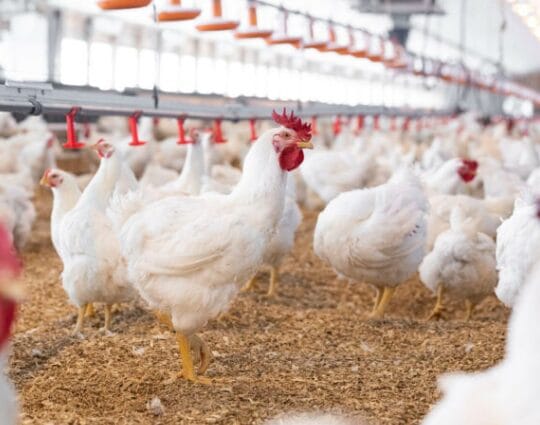
Capital – The capital for starting broiler farming varies depending on your entry point. You can start on a low, small, or large scale. However, whatever you have as your initial capital will determine your entry level.
Time to Profit – This is usually between 5–8 weeks, and at most 9 weeks. After this period, your profit margin may begin to decrease.
ROI – The return on investment is high, that’s if well-managed. But if you record too many deaths, you’ll be struggling to make any profit.
Market – Broiler farming has a large market including restaurants, households, hotels, frozen meat vendors, and so on.
Is broiler farming profitable?
Yes! Broiler farming is fast-paced. The birds reach market weight in just 5 to 8 weeks, which means you can run multiple production cycles in a year. With the right feed, good hygiene, and proper management, I’ve seen farms yield up to 30–40% profit per cycle. That’s why broiler farming is often the go-to option for farmers who want quicker returns on investment.
If you’re a beginner, you might want to read our full guide here: Beginner’s Guide to Poultry Farming in Nigeria – Cost, Profit and Practical Setup Tips
Layer Farming (Egg Production)
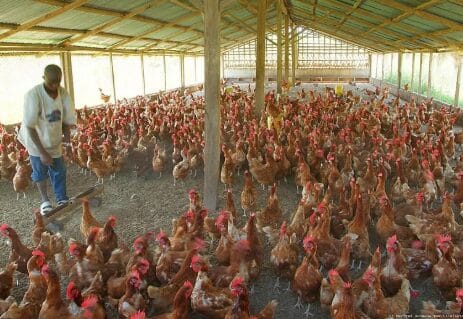
Capital – High, mainly because you’ll be feeding the birds for several months before they start laying. The cost of quality feed and vaccination adds up over time.
Time to Profit – It takes about 18–20 weeks (roughly 4 to 5 months) before your layers begin to lay eggs and generate income.
ROI – Layer farming gives you long-term steady income. Once the birds start laying, they can continue for 12 to 15 months, providing daily returns.
Market – There’s always a strong market for eggs — from open markets, bakeries, hotels, caterers, to retailers. Eggs are consumed daily in most homes, which makes demand stable all year.
Is layer farming profitable?
Yes, it is — but it’s for those who can play the long game. Unlike broilers, you won’t start making money immediately. However, once your layers begin to lay eggs, you’ll enjoy steady daily cash flow for over a year. I’ve seen farms with good feed management sell thousands of eggs weekly. If you want recurring income with lower market fluctuations, layer farming is worth considering.
Noiler Farming (Dual Purpose)
Noiler is a hybrid chicken rear for both eggs and meat. It originates in Nigeria by Amo Farm Sieberer Hatchery Ltd. (AFSH)
Capital – Low to moderate, which makes it a great choice if you’re starting with a limited budget. You can raise noilers in a semi-intensive or free-range system to reduce feed costs.
Time to Profit – You’ll start seeing returns in about 12–14 weeks. They don’t grow as fast as broilers, but they’re less demanding in terms of care and feeding.
ROI – The return on investment is moderate, but more stable if you manage your feed cost well.
Market – Noilers are popular among individual households and small retailers, especially in rural and peri-urban areas where people value both meat and eggs.
Is Noiler farming profitable?
Yes, especially if you want a low-risk, low-maintenance option. Noilers are hardy birds—they survive better under tough conditions and require less intensive management. They also lay eggs (though not as much as layers), so you can earn from both meat and egg sales. For many rural farmers, I’ve found noiler farming to be a solid choice because of its flexibility and dual-income potential.
Cockerel Farming
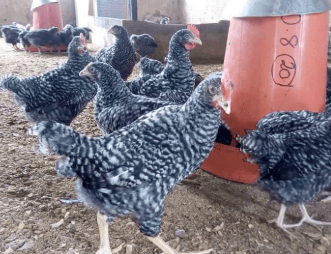
Capital – Low, making it one of the most affordable poultry options to start with. It’s often ideal for beginners testing the waters or those in rural areas.
Time to Profit – Cockerels take about 5–6 months to reach market weight, which is quite slow compared to broilers or even noilers.
ROI – Low to moderate. The longer rearing period and higher feed consumption reduce profit margins, but there’s still some opportunity if timed well.
Market – Cockerels are mostly sold in rural markets, and demand rises significantly during festive seasons like Christmas and Eid, when people prefer them for cultural or religious reasons.
Is cockerel farming profitable?
It can be—but only if you’re patient and strategic. Cockerels are hardy and easy to raise, but they consume more feed over time, and that can eat into your profits. However, if you time your sales around festive periods when prices go up, you can make decent returns. I usually recommend cockerel farming for those who don’t have much capital but are looking at seasonal income opportunities.
Hatchery or Breeder Business
Capital – Very high. Starting a hatchery requires significant investment in incubators, generators, water systems, biosecurity, and breeding stock. It’s not for first-timers.
Time to Profit – Ongoing. Once your breeder stock is mature and your hatchery is operational, you can produce and sell day-old chicks (DOCs) weekly, offering a steady income stream.
ROI – High, especially if you run the operation efficiently and maintain healthy parent stock. Many farms struggle to meet demand for quality DOCs in Nigeria, so there’s a market gap.
Market – Commercial poultry farms, medium- and small-scale farmers, and agricultural supply agents all need a consistent source of DOCs. Demand is strong and steady all year round.
Why is it profitable?
If you have the capital, the hatchery business is one of the most lucrative arms of poultry farming in Nigeria. Day-old chicks are always in demand—whether broilers, layers, noilers, or even local breeds. Farmers depend on hatcheries to stock their farms.
However, this line of poultry farming is very technical. You’ll need trained personnel, strong hygiene practices, and a reliable source of fertilized eggs. I usually advise beginners to partner with experienced breeders or start small and learn before investing heavily on hatchery business.
So, Which Poultry Farming Is the Most Profitable in Nigeria?
Now that I’ve broken down the different types of poultry farming in Nigeria based on capital, time to maturity, ROI, market demand, and risk, let’s answer the big question: Which one brings the most profit? Here’s my take:
If you want quick returns and can manage risks well,
→ Go for Broiler farming — it’s the most profitable in the short term. With a turnaround time of just 5–8 weeks, you can run several cycles in a year. But be warned: it’s highly sensitive to feed quality, hygiene, and management practices. Poor handling can wipe out your profit.
If you’re after steady, long-term income,
→ Layer farming is your best bet. Although it takes about 16–20 weeks before hens start laying, once they do, you’ll enjoy daily income from egg sales for 12 to 18 months. It’s more of a long game, but if done right, it’s very rewarding and reliable.
If you have both capital and technical experience,
→ Consider Running a hatchery. On a commercial scale, this is arguably the most profitable poultry business. Demand for day-old chicks is always high. But this line of poultry farming is capital-intensive, requires strict biosecurity, and demands deep knowledge of incubation and breeding.
If you’re a beginner or want something simple and low risk,
→ Start with Noiler or Cockerel farming. These birds are resilient and suitable for semi-intensive or backyard systems. They might not fetch you the biggest margins, but they’re manageable, especially in rural areas or during festive seasons when demand spikes.
Conclusion
At the end of the day, the most profitable poultry farming is the one that matches your capital, goals, experience, and location. What works in Lagos might not work in Jos or Enugu. So, take your time to plan, test small if possible, and build gradually. However, you can make money in poultry business in Nigeria with any of the above five mentioned poultry farming business.
At Naijaonlinebiz, we’re here to guide you every step of the way — from startup ideas to sustainability tips — so your agribusiness journey can lead to long-term success.
Frequently Asked Questions (FAQs)
- Which poultry farming is most profitable in Nigeria?
Answer: Broiler farming is often considered the most profitable poultry venture in Nigeria due to its short production cycle (6–8 weeks) and high market demand for meat. However, layers also offer long-term income through consistent egg production.
- What is the best poultry business to start in Nigeria as a beginner?
Answer: For beginners, starting with broiler farming is advisable because it requires less time to yield returns and is easier to manage compared to layers or cockerels.
- Is poultry farming profitable in Nigeria in 2025?
Answer: Yes, poultry farming remains a profitable agribusiness in 2025. With proper planning, good farm management, and access to a ready market, farmers can earn sustainable income from poultry.
- How much profit can I make from broiler farming in Nigeria?
Answer: Profit margins vary, but a well-managed broiler farm can generate ₦150,000 to ₦300,000 profit from just 100 birds per cycle. Costs depend on feed, chicks, medication, and market price.
- Are layers more profitable than broilers in the long run?
Answer: Yes. While broilers give quick returns, layers can be more profitable long-term through daily egg sales over 12–18 months. However, they require more management and higher startup capital.
- What poultry birds grow the fastest in Nigeria?
Answer: Broilers grow the fastest. They are ready for sale within 6 to 8 weeks, making them ideal for quick turnaround farming in Nigeria.
- Can I combine broiler and layer farming on the same farm?
Answer: Yes, but it’s recommended to separate them by housing or location due to differences in management, feeding, and disease control. Many commercial farms in Nigeria run both operations successfully.
- How can I increase profit in poultry farming in Nigeria?
Answer: To increase profit, focus on:
Using high-quality chicks
Reducing feed waste
Preventing diseases with good biosecurity
Targeting profitable market seasons
Buying feed in bulk
Recommended Reads:
- 10 Challenges Facing Poultry Farming in Nigeria (And How to Overcome Them)
- How to Start a Feed Mill Business in Nigeria
- 10 Challenges Facing Feed Mill Business In Nigeria
If I’ve answered your question on which poultry farming is most profitable in Nigeria, do not hesitate to share this with your friends and relatives on Facebook, Twitter (X), Whatsapp etc, you can never tell who might benefit from it.
Follow us on our social media platform, I promise you’ll never regret it.
Feel free to comment or ask questions using the comment box below. Wish you all the best.
