

Nigeria’s animal feed mill industry has experienced tremendous growth in recent years, largely due to the rising demand for animal protein fueled by the country’s growing population. As a result, livestock farming businesses—especially poultry farming, fishery, and piggery farming—are thriving across the country, both at commercial and small-scale levels and, they’re the most profitable Agribusiness Ideas in Nigeria.
However, this boom in livestock farming has brought a major challenge, which is access to affordable and nutritionally balanced animal feed.
According to the Federal Ministry of Agriculture and Rural Development (FMARD), feed alone accounts for up to 70% of the total production cost in livestock farming, making it one of the most crucial—and potentially profitable—segments of the entire agribusiness value chain. With more farmers actively seeking reliable feed sources to boost animal growth and productivity, the demand for locally produced, high-quality feed continues to rise.
Whether you’re a livestock farmer looking to reduce feed costs by producing your own, or an entrepreneur exploring a high-demand niche in agribusiness, starting an animal feed mill in Nigeria could be one of the most profitable ventures.
In this blog post, I’ll walk you through the practical steps to start and run a successful animal feed mill business—regardless of whether you’re in Jos, Ibadan, Enugu, Ogun, or any other part of Nigeria.
Before I dive deeper, let’s first understand what feed mill business is all about
What Is Animal Feed Mill Business All About?
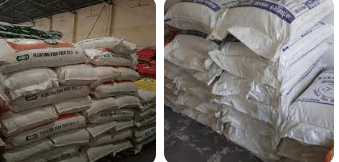
An animal feed mill business is all about producing animal feed—mainly for livestock like poultry, fish, pigs, goats, and even cattle. This feed usually comes in powdered, pellet, or mash form and is formulated to meet the nutritional needs of different animals at different growth stages.
In simple terms, you’re converting raw ingredients like maize, soya beans, groundnut cake, fishmeal, bone meal, wheat offal, and additives into balanced, ready-to-eat feed for animals. If you’ve ever bought grower mash for broilers or floating feed for catfish, that’s exactly what a feed mill produces.
Types of Animal Feed Mill Businesses You Can Start in Nigeria
Depending on how much you want to invest and market size, here are three main types of animal feed mills you can start in Nigeria:
Manual or Small-Scale Animal Feed Mill
This is the entry-level option. With basic equipment like a grinder and mixer—and sometimes manual labour–you can produce feed for your own farm and a few local customers. If you’re new to animal feed mill business, I always recommend starting on a small-scale. This gives you room to study the feed mill industry, learn in the field and grow gradually.
Semi-Automated Animal Feed Mill
Another type of animal feed mill you can start is the semi-automated feed mill. Starting with semi-automation proves you’ve grown a bit with improved equipment, maybe even a pelleting machine, while still involving some manual handling. It increases output and efficiency and is perfect if you’re selling commercially but not yet ready for full automation.
Fully Automated or Industrial Animal Feed Mill
The third is a fully automated and industrial animal feed mill. This is the big league. Everything here is automated—from grinding to mixing to pelleting and packaging. I usually recommend that if you’re looking to supply large farms or retail outlets across states, this is where you should aim. But, that’s if you have the experience or expertise. Of course, you should know that it comes with a higher startup cost.
Why Start a Feed Mill Business in Nigeria?
Nigeria has one of the largest livestock populations in Africa—including poultry, cattle, pigs, and fish. In states like Oyo and Kaduna, where livestock farming is a major economic activity, the demand for meat, eggs, and dairy is growing fast. As this demand rises, so does the need for affordable, high-quality animal feed—creating a steady and profitable market for feed mill businesses.
For most livestock farmers, feed accounts for the largest chunk of their operating costs—often between 60–70%, according to estimates by industry stakeholders. That means there’s a constant demand for well-formulated, cost-effective feed. If you can produce quality feed at a fair price, you’ll find loyal customers who keep coming back.
Despite the size of Nigeria’s livestock sector, many farmers still struggle to access reliable, nutrient-rich feed. Livestock feed accounts for over 70% of production costs in large-scale operations, yet good-quality feed remains scarce, this I said is according to the Federal Ministry of Agriculture and Rural Development (FMARD),
When feed formulation is done right—balancing protein, energy, fiber, and additives—and production is well managed, animal feed milling can generate strong profit margins. Add proper packaging, branding, and distribution, and you’ve got yourself a profitable agribusiness with long-term growth prospects.
Steps to Start Animal Feed Mill Business in Nigeria
Starting an animal feed mill business isn’t something you just jump into without proper preparation. To truly succeed—whether you’re starting small or aiming big—you need to follow a step-by-step process that gives you a clear view of what you’re going into. Let’s break down these steps, starting with the most important step.
#1. Conduct a Feasibility Study & Market Research
If you must succeed in the animal feed mill business in Nigeria, the first step you need to take is to conduct a proper feasibility study and market research. This will help you understand your target market, know what type of feed is in demand, and avoid less demand feed. From experience, if you’re in Jos or Ibadan; going into poultry feed will offer you the opportunity to tap into the high demand of poultry feed but if you’re in places like Benue and Enugu, going into pig feed production is usually the best as there’s high demand for pork meat in these cities.
When researching, here are a few key things you should find out:
- Local Demand: Are there poultry, fish, or pig farmers around you who need feed regularly? How big is the livestock industry in your chosen location?
- Types of Feed: Which feed types are mostly used in your area—broiler starter/grower, catfish floating feed, pig feed?
- Competitors and Pricing: Who are the existing feed producers in your area? What are their prices, and what can you offer that gives you an edge?
This step is non-negotiable. And if you’re not sure how to go about it, I recommend you read this helpful guide: how to do market research in Nigeria – step-by-step.
Doing your homework at this stage will save you a lot of stress later. Trust me.
Choose a Suitable Location
Where you decide to site your animal feed mill is one of the most important factors that can either make or mar your business. A good location doesn’t just help you attract customers—it also helps you reduce production costs.
Here’s what you should consider when choosing your location:
- Accessibility to Farmers: Your feed mill should be located close to your target customers—whether poultry farmers, fish farmers, or piggery owners. If they can’t reach you easily, they may choose someone else.
- Proximity to Raw Material Suppliers: Being close to where you can get maize, soya, wheat offal, and other raw materials will help you reduce transportation costs and production delays.
- Infrastructure and Power Supply: You need good roads for delivery trucks and steady power (or the ability to power your machines with a generator or solar system).
If you’re unsure how to go about choosing the right place, I’ve written a detailed guide you can read that will help you out, and this is finding the right location for your small business in Nigeria
Choosing wisely at this stage will save you a lot of trouble down the line.
Register Your Business
I have to be frank here—registering your feed mill business shows you mean business. It gives your brand credibility and builds trust with farmers, suppliers, and even big farm cooperatives. If you’re selling commercial feed, people won’t take you seriously unless your business is properly registered.
When planning to register your animal feed mill business, here are the basic registrations you need to handle:
- CAC Registration: This is your first official step. You’ll need to register your business name with the Corporate Affairs Commission (CAC)to operate legally in Nigeria. If you’ve never done this before, here’s a step-by-step guide you can read to help you register a business name with CAC in Nigeria
- NAFDAC Approval: If you’re producing and selling commercial livestock feed, NAFDAC approval is essential. It validates the safety and quality of your feed, and it’s especially important if you plan to sell in bags with branding.
- Local Government and Tax Registration: You’ll also need to register with your local government authority and the appropriate tax offices (like FIRS or state IRS). This helps avoid unnecessary disruption later.
Getting your paperwork in order from the onset will helps you operate seamlessly without fear and opens the door to bigger opportunities like contracts, partnerships, or funding.
Get the Required Equipment
It’s important you understand that you can’t run an animal feed mill business without the required equipment. Even if you’re starting small, having the basic machines in place will make your work faster, more efficient, and professional.
Here’s a list of the essential equipment you’ll need:
- Hammer Mill or Grinder: This is used to crush or grind raw materials like maize, soya beans, and groundnut cake into powder form.
- Mixer (Horizontal or Vertical): After grinding, you’ll need to mix the different ingredients thoroughly to achieve a balanced feed formulation.
- Pelletizer (Optional): If you want to produce pelleted feed, especially for fish or commercial broiler feed, a pelletizer compresses the feed into uniform sizes.
- Weighing Scale: Accuracy matters in feed formulation, and this helps ensure you’re measuring ingredients properly.
- Packaging Machine: Once the feed is ready, it needs to be packaged neatly for retail or delivery. A simple sealing machine can work if you’re just starting.
- Generator or Power Source: Power supply is unreliable in many parts of Nigeria, so having a generator or alternative power solution is a must.
Depending on your entry point into the business and capital, you can buy brand-new equipment, refurbished ones, or even fabricate locally. But no matter what, you have to invest in machines that are durable and efficient, because when your equipment breaks down, it can delay production and affect your delivery schedule.
Source Ingredients
It is better I’m real with you here—sourcing ingredients is one of the toughest parts of starting animal feed mill business, especially if your location isn’t close to major raw material markets.
The quality and availability of your ingredients can make or mar your feed formulation. An inconsistent supply, on the other hand, can halt your production altogether.
Here are some of the key ingredients you’ll need regularly:
- Maize (corn)– the major energy source in most feeds
- Soya bean meal– a rich protein source
- Fishmeal or blood meal– adds essential amino acids
- Wheat offal (bran)– good for fiber and energy
- Palm kernel cake– alternative energy/protein ingredient
- Bone meal– source of calcium and phosphorus
- Premixes and additives– for vitamins, minerals, and growth enhancers
Listen! Quality matters. Don’t be tempted to buy cheap, low-quality ingredients just to cut costs. Your animals won’t grow well, and farmers will stop buying from you. It is always important that you go for clean, dry, and properly processed materials.
You can source your ingredients from local markets like Zaria, Kaduna, Ibadan, or Aba, depending on your location. Some ingredients like fishmeal or premixes may be imported or sourced from specialized distributors.
When you find a reliable and trustworthy supplier, build strong relationships with them and consider bulk purchasing to save on cost and ensure steady supply.
Hire Skilled Staff
Let me tell you—running a feed mill business is not like selling recharge cards or running a provision store. It’s technical, and you’ll need skilled hands on deck. This is not a one-man business you can run alone, especially once production starts growing.
If you want to operate smoothly and maintain quality, here are the key people you’ll need:
- Feed Formulator (Animal Nutritionist): This person is your most important asset. They’re responsible for creating balanced feed formulas based on the nutritional needs of poultry, fish, or livestock. A poorly formulated feed will ruin your reputation quickly.
- Machine Operators: These are the people who run your grinder, mixer, pelletizer, and packaging machines. They need to know how to use the equipment safely and efficiently.
- Loaders and Packers: These guys handle the physical work—moving raw materials, bagging finished feed, and loading them for delivery.
- Admin and Sales Staff: You’ll also need someone to manage customer records, orders, sales, and basic bookkeeping—especially if you want to grow into a structured business.
If you’re starting small, you might multitask or outsource some roles, but don’t cut corners on formulation and operations. Skilled staff = better feed = more customer trust.
Production Process
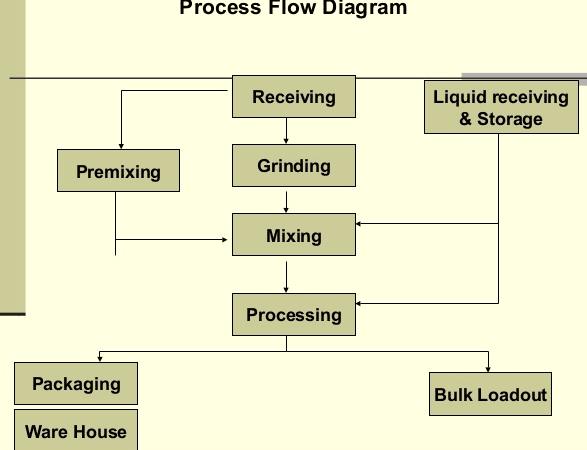
The feed production process is a chain reaction—miss one step or do it wrong, and you could mess up the entire batch. That’s why you must take every stage seriously.
Here is my simple breakdown of the feed mill production process you can follow:
- Cleaning: Start by removing dirt, stones, and other impurities from your raw materials. This prevents damage to your machines and ensures the quality of your feed.
- Grinding: Next, the cleaned materials are ground into fine particles using a hammer mill or grinder. The goal here is consistency, so the feed blends properly in the next step.
- Mixing: This is where precision matters most. All ingredients—maize, soya, fishmeal, additives, etc.—are measured and mixed together thoroughly to achieve a uniform blend.
- Pelleting (Optional): If you’re producing pelleted feed (especially for fish or broilers), the mixture is passed through a pelletizer. This step improves digestibility and reduces feed wastage.
- Packaging: Finally, the finished feed is weighed, bagged (usually in 25kg or 50kg bags), sealed, and stored properly for sale or delivery.
One thing I’ll always emphasize is this: feed formulation is the backbone of everything. Whether you’re making broiler starter or fish grower, your feed must contain the right balance of energy, protein, fiber, and minerals. Poorly formulated feed won’t give results—and you’ll lose customers fast.
If you’re not an expert in formulation, work with a trained animal nutritionist or use verified formulation software to get started.
Branding and Packaging
If your animal feed mill business must stand out from the crowd, then branding and packaging are not optional—they’re essential. Let’s be frank here, sometimes people don’t just buy the content… they buy the packaging. Is it not true?
Imagine two bags of feed sitting side by side: one is neatly branded with your logo, NAFDAC number, and weight label; the other looks like a recycled sack with marker-written names. Which one do you think will sell faster? You already know the answer.
Here’s what you should pay attention to:
- Bag Design: Invest in printed bags that clearly show your brand name, logo, weight (e.g., 25kg or 50kg), and NAFDAC registration number. It instantly gives your product credibility and attracts attention.
- Proper Storage: Don’t let all your branding efforts go to waste because of poor storage. Feed should be stored in a cool, dry, and well-ventilated areato prevent mold, spoilage, or pest attacks. Use pallets to keep bags off the ground.
Also, consider adding contact information or social handles to your packaging. It helps customers reach out and gives your brand a more professional image.
The bottom line is: a clean feed, clean branding, and clean storage go hand-in-hand if you want to win and keep customers.
Marketing and Sales Strategy
It doesn’t end with producing quality feed. If you want to be profitable in the feed mill business, the feed you produce must get into the hands of livestock farmers. This is where smart marketing and effective sales strategies come into play.
You can’t just sit and wait for customers to show up—you need to go out there and meet them where they are.
Here are some of my proven Marketing and Sales strategies that work:
- Sell Directly to Poultry, Fish, and Pig Farms: These are your primary customers. Approach farms in your area or beyond, and show them the benefits of your feed—especially if you offer better results at competitive prices.
- Supply Feed Retailers and Agro Dealers: Partner with agro stores and feed retailers who already have market reach. Let them help distribute your feed while you focus on production and branding.
- Build Trust with Consistent Quality: If your feed performs well—meaning farmers see improved growth, health, or egg production—they’ll keep coming back. Word of mouth travels fast in the livestock industry.
- Offer Samples or Discounts to First-Time Buyers: This is a smart way to attract new customers. Let them test your feed without a full commitment. If they’re impressed, they’ll become loyal customers.
We’re a digital era, you can use platforms like WhatsApp, Facebook, or even community radio stations to promote your feed, especially if you’re targeting local farmers. You can also adopt these top 5 Effective Marketing Strategies to promote and sell your animal feed in Nigeria
Cost of Starting Animal Feed Mill in Nigeria (2025 Estimates)
Talking about the exact cost of starting a feed mill in Nigeria isn’t always straightforward, because prices vary depending on your location, the size of your operation, and even market fluctuations. However, to give you a clear picture, I’ll break it down with realistic estimates based on current trends.
Here’s what you should expect:
- Small-Scale Animal Feed Mill: ₦2 million – ₦5 million
Ideal if you’re starting out with minimal equipment and targeting nearby livestock farmers or your own farm.
- Medium-Scale Animal Feed Mill: ₦7 million – ₦15 million
This range gets you better machines (maybe a pelletizer), a production team, and allows you to grow your customer base.
- Industrial/Commercial Animal Feed Mill: ₦20 million – ₦100 million+
This is for serious investors and agropreneurs planning to go national or regional with high-capacity machines and automated systems.
Key important cost drivers you should include are:
- Equipment(grinder, mixer, pelletizer, packaging machine)
- Raw ingredients(which can be seasonal and price-sensitive)
- Rent or land(depending on your location)
- Staff salaries
- Power supply (e.g., generator)
- Branding and NAFDAC registration
It is important if you want to a start animal feed mill business you start with what you can afford, even if it’s a small-scale setup. You can always expand as your customer base grows.
Profitability of Animal Feed Mill Business in Nigeria
Your profitability in the animal feed mill business in Nigeria largely depends on your expertise, efficiency, and consistency. This isn’t the kind of business where you guess your way through. If your formulation is off or your production cost is too high, your profits will shrink fast. Simple!
Here’s what I know that will determine how profitable you’ll be in feed mill business:
- Production Volume: The more feed you produce and sell, the lower your cost per unit and the higher your margin.
- Feed Formulation Efficiency: If your feed performs well (balanced nutrition, faster animal growth), farmers will return and refer others. This builds steady income.
- Ingredient Sourcing: Buying in bulk or sourcing from the right markets can reduce costs significantly.
Let me break it down with a simple example:
- Cost of producing 1 ton of poultry feed(as of 2025) can range from ₦260,000 – ₦300,000, depending on ingredient quality and location.
- Selling price per tonranges from ₦330,000 – ₦360,000.
- That’s a potential profit margin of ₦30,000 – ₦100,000 per ton, or even more with bulk sales or loyal clients.
And if you’re producing at large-scale and distributing through retailers or large farms? You could easily earn six figures monthly, depending on demand and consistency.
The bottom line is: the money is there—but you must get your formulation, operations, and customer satisfaction right.
Conclusion
With Nigeria’s growing livestock sector and the ever-rising demand for quality feed, starting a feed mill business is a profitable venture. But it’s not a business you rush into anyhow. It requires careful planning, expertise, the right equipment, and access to quality raw materials.
Whether you’re a farmer looking to cut feed costs, an agropreneur aiming to grow, or an investor seeking a high-demand niche, I have shown you the key steps to get started. From sourcing ingredients and hiring skilled staff to production and marketing, each stage is very important to your success.
You can start small if necessary, but prioritize quality, consistency, and trust. Animal feed mill business is not just about making feed — it’s about feeding a nation.
Now that you know what it takes, the next move is yours. Remember if you must succeed, you have to be ready to take proactive measures against common challenges in animal feed mill Business.
Once you setup your animal feed mill business, you can also join poultry farming to it, to earn multiple streams of income. if you’re interested in that, see our guide to Poultry Farming in Nigeria – Cost, Profit & Practical Setup Tips.
Tips for Success in the Animal Feed Mill Business
If you’re thinking of starting a feed mill business today, these are proven tips that will help you succeed—whether you’re going small or going big:
Prioritize Quality and Consistency
Livestock farmers want results. If your feed produces healthy animals with good weight gain, they’ll keep coming back. Don’t compromise on quality just to cut costs.
Regularly Update Your Animal Feed Formulation
Animal nutritional needs change with market demands, seasons, and feed ingredient quality. Work with an animal nutritionist to adjust your formulation as needed.
Keep Accurate Records
From ingredient purchases to sales and customer feedback, detailed record-keeping helps you monitor profitability, detect issues early, and plan better.
Network with Livestock Associations
Building relationships with poultry and fish farmers’ associations, veterinary suppliers, and other stakeholders gives you access to a reliable customer base and industry insights.
I know these success tips may look simple—but they’re powerful. Many feed mill businesses fail because they ignore one or more of these.
FAQs about Starting Animal Feed Mill Business in Nigeria
- Do I need a license to start a animal feed mill business in Nigeria?
Yes, you do. If you want to operate legally and earn the trust of farmers, you need to register your business with CAC and then get approval or registration with NAFDAC for your feed products. Depending on your location, your local government may also require a permit or environmental clearance. - How much is Animal feed mill equipment in Nigeria?
The cost depends on the scale and type of equipment. For example:
- Hammer mill: ₦350,000 – ₦1.5 million
- Mixer(horizontal or vertical): ₦400,000 – ₦2 million
- Pelletizer(optional): ₦800,000 – ₦3 million
- Packaging machine: ₦200,000 – ₦1 million+
Don’t forget: foreign brands and automated setups cost more than local or manual ones.
- What is the best feed for layers or broilers?
The best feed depends on the age and purpose of the birds:
- Layersneed layer mash or pellets with high calcium for egg production.
- Broilersneed high-energy starter and finisher feed for fast weight gain.
If you’re producing the feed yourself, consult a qualified animal nutritionist to help you formulate the best rations.
If this article on how to start animal feed mill business in Nigeria is helpful to you, do not hesitate to share this article with your friends and relatives on Facebook, Twitter (X), Whatsapp etc, you can never tell who might benefit from it.
Follow us on our social media platform, I promise you’ll never regret it.
We create Business plan for different businesses including Animal Feed Mill Business plan. Feel free to contact us if you need a business plan on Feed milling. Our experts will surely deliver to you the best business plan on Feed milling.
Feel free to comment or ask questions using the comment box below. Wish you all the best.
